

District 2 photo
By Mario Montalvo
District 2 public information officer
Every November, Caltrans honors Native American Heritage Month by recognizing the unique histories, cultures and contributions of native people throughout California.
In District 2, that recognition extends far beyond the one month. It’s a year-round commitment reflected in the work of several employees who ensure collaboration, consultation and respect guide our projects across tribal lands and ancestral territories.
For Kendee Vance, Caltrans District 2’s Native American liaison, the key to her work can be summed up in one word: trust.
Over the last 15 years, she’s worked carefully and consistently to build that trust with the 23 tribal governments Caltrans works with across Northern California. “Part of why the relationships we have are as solid as they is because tribes know they can rely on my word,” she said. “That makes all the difference in the world.”
Vance serves as the district’s main point of contact for tribes, facilitating government-to-government coordination on everything from early planning to maintenance and emergency projects. It’s a role that requires patience, integrity and transparency. Those qualities are deeply personal to Vance.
“I’m Mountain Maidu,” she said. “I grew up here. My dad and grandmother shared stories about our culture and traditions. That appreciation for who we are and where we come from shapes how I approach this work. It’s about protecting more than artifacts. It’s about language, plants, traditions and sovereignty.”
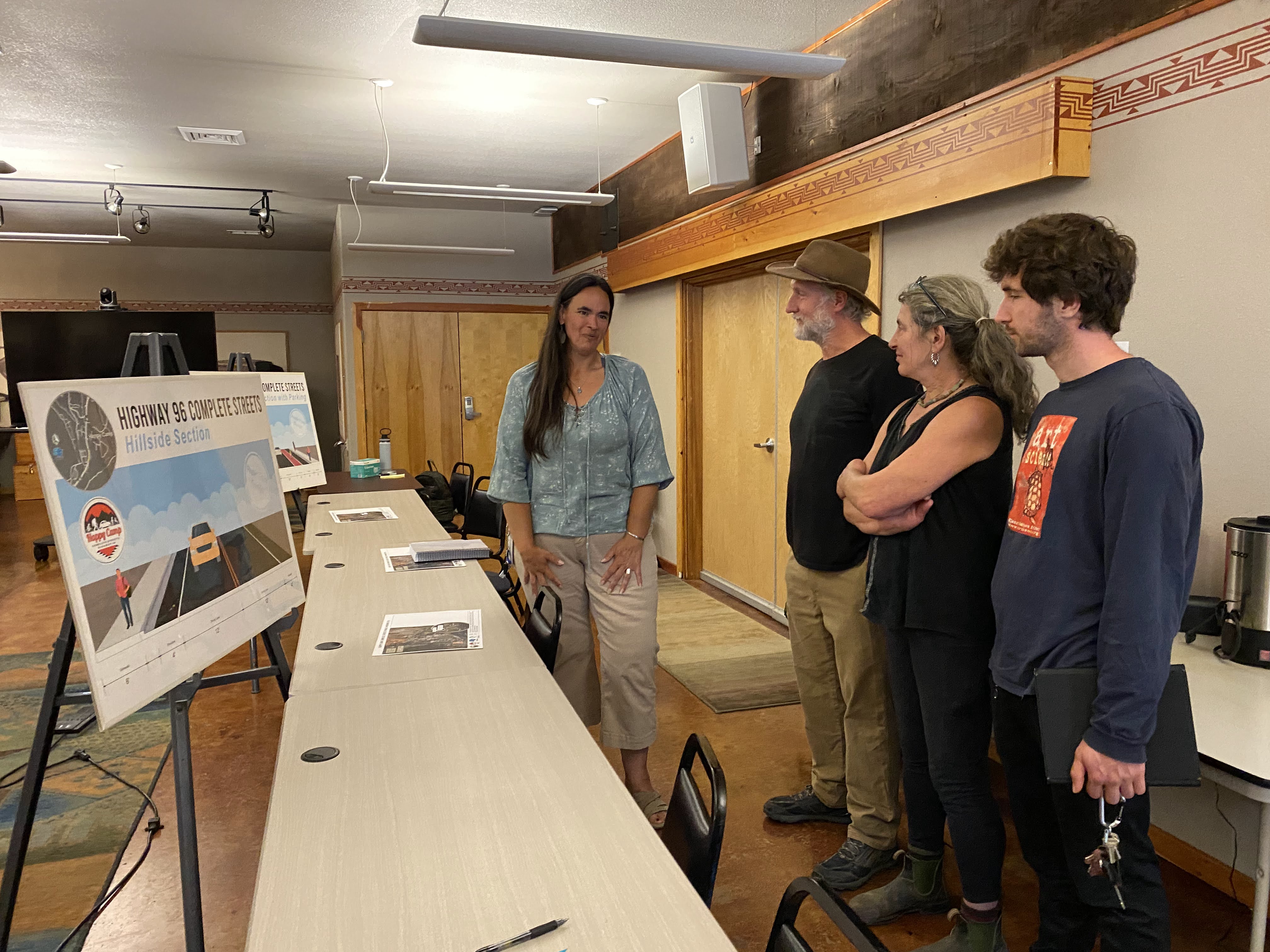
Vance recalls the Happy Camp Complete Streets Project as one of her proudest achievements. It’s a project that took more than a decade to complete, requiring what she called “an insane amount of commitment and dedication.” Collaboration with the Karuk Tribe was central to the project’s success. “It took a lot of trust, a lot of persistence, and a shared desire to achieve something good for the community,” she said.
District 2 photo
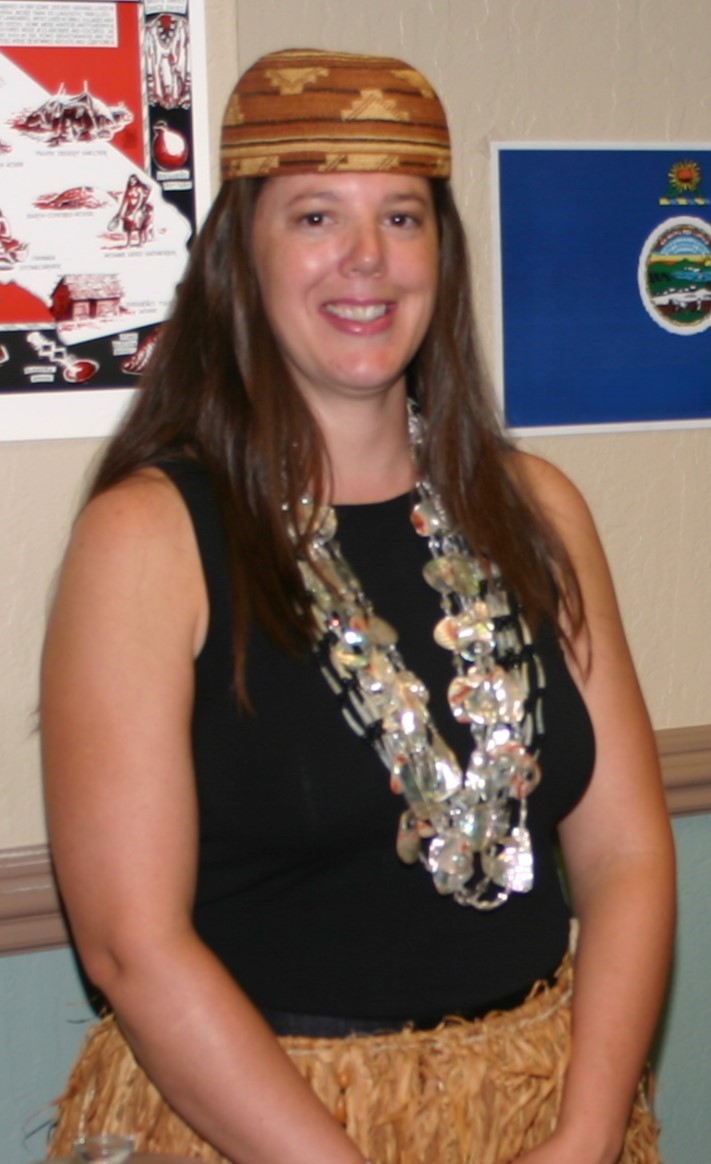
Alongside Vance, District Native American Coordinator for Local Assistance Cassandra Hensher plays a critical but often less visible role in Caltrans’ tribal coordination efforts.
A Karuk tribal member who was raised in Forks of Salmon, Hensher brings deep personal connection and cultural insight to her work. Over the past 19 years, she has built trusted relationships across the region. Vance describes those relationships as “instrumental” in maintaining the district’s strong partnerships with tribal governments.
In Local Assistance, Hensher ensures that Section 106 consultation and compliance are completed for cities, counties and local agencies receiving federal funds, supporting projects that affect both federally recognized and non-federally recognized tribes. Her knowledge and experience make her mission critical to the district’s commitment to preserving tribal cultural resources.
“I really enjoy working in Local Assistance, helping local agencies repair and maintain the roads we drive on everyday — and also helping them understand and build relationships with their local tribes.” Hensher said. “Some people may be uncomfortable or don’t understand why we need to focus on relationships with tribes, but you can really just think of it as ‘protocols.’
“We’re working with tribes to understand each other and develop protocols that allow us work together respectfully and efficiently.”
If Vance and Hensher are the bridge between Caltrans and tribal governments, Liz Truman is the connection that ensures those relationships remain strong through every project phase.
As the District Native American coordinator and an archaeologist, Truman manages the day-to-day coordination that keeps communication open and meaningful.
“I like to say I’m a communication pipeline,” she said with a laugh. “About 99 percent of what I do is listening, responding and making sure everyone stays informed.”
Truman’s work involves organizing consultations, reviewing documentation and helping ensure cultural and archaeological resources are identified and protected. But for her, the job goes far beyond compliance, it’s about understanding the people connected to the land.
“Tribal consultation is about hearing what’s important to the tribes,” she said. “We’re not just checking boxes. We’re learning from people whose connection to this land goes back thousands of years.”
That awareness is crucial because the roads Caltrans builds and maintains often trace the same paths that once served as tribal trails or stagecoach routes.
“The past isn’t as far away as people think,” Truman said. “A lot of our work still overlaps with those earlier pathways. It’s good to remember that.”
For all three women, every project and every conversation is a chance to honor the history beneath our highways and the people who continue to care for it. “We’re not just building roads,” Truman said. “We’re building relationships, and those are what keep everything moving forward.”
Vance emphasized the importance of everyone understanding that history and encourages Caltrans staff to take advantage of training opportunities like CalHR’s Tribal Consultation course, which provides insight into the history, sovereignty, and priorities of tribal nations.
“It’s like I always tell people, the best time to start learning about indigenous cultures was the first time you thought about it,” Vance said. “The second-best time is now.”