

All-in-one version
News
Latest Excellence in Transportation Awards announced
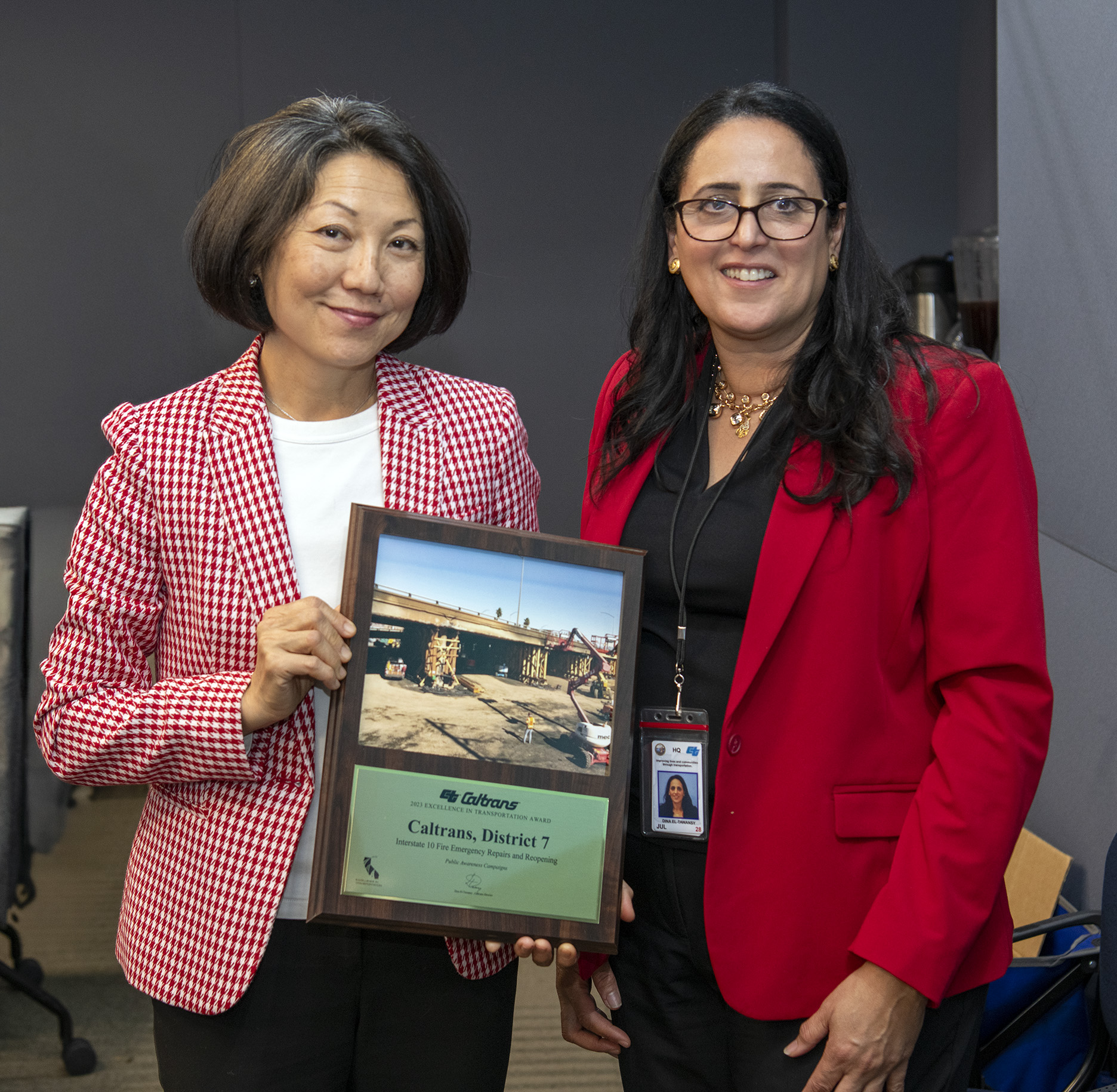
Headquarters photo by John Milne
Note: The following email was sent to all departmental employees on Dec. 22 by Caltrans Director Dina El-Tawansy.
I am pleased to share with you the winners of the 2024 Caltrans Excellence in Transportation Awards.
This annual awards program highlights and recognizes some of the best work from Caltrans and its partners. Nominations representing regions across California were received from Caltrans, local and public agencies, private contractors, and consultants.
Caltrans is pleased to showcase these projects that have met California’s growing transportation demands while aligning with our strategic priorities.
Please join me in congratulating our colleagues who have, with determination and steadfastness to our shared vision, made these projects the new transportation reality. These contributions to our ongoing efforts to provide positive and measurable improvements in transportation have resulted in lasting benefits to the people of California.
Visit the 2024 Excellence in Transportation Award Winners page to view the list of winning projects with accompanying descriptions and photographs.

Partnerships, proactive communications see iconic highways safely through storms
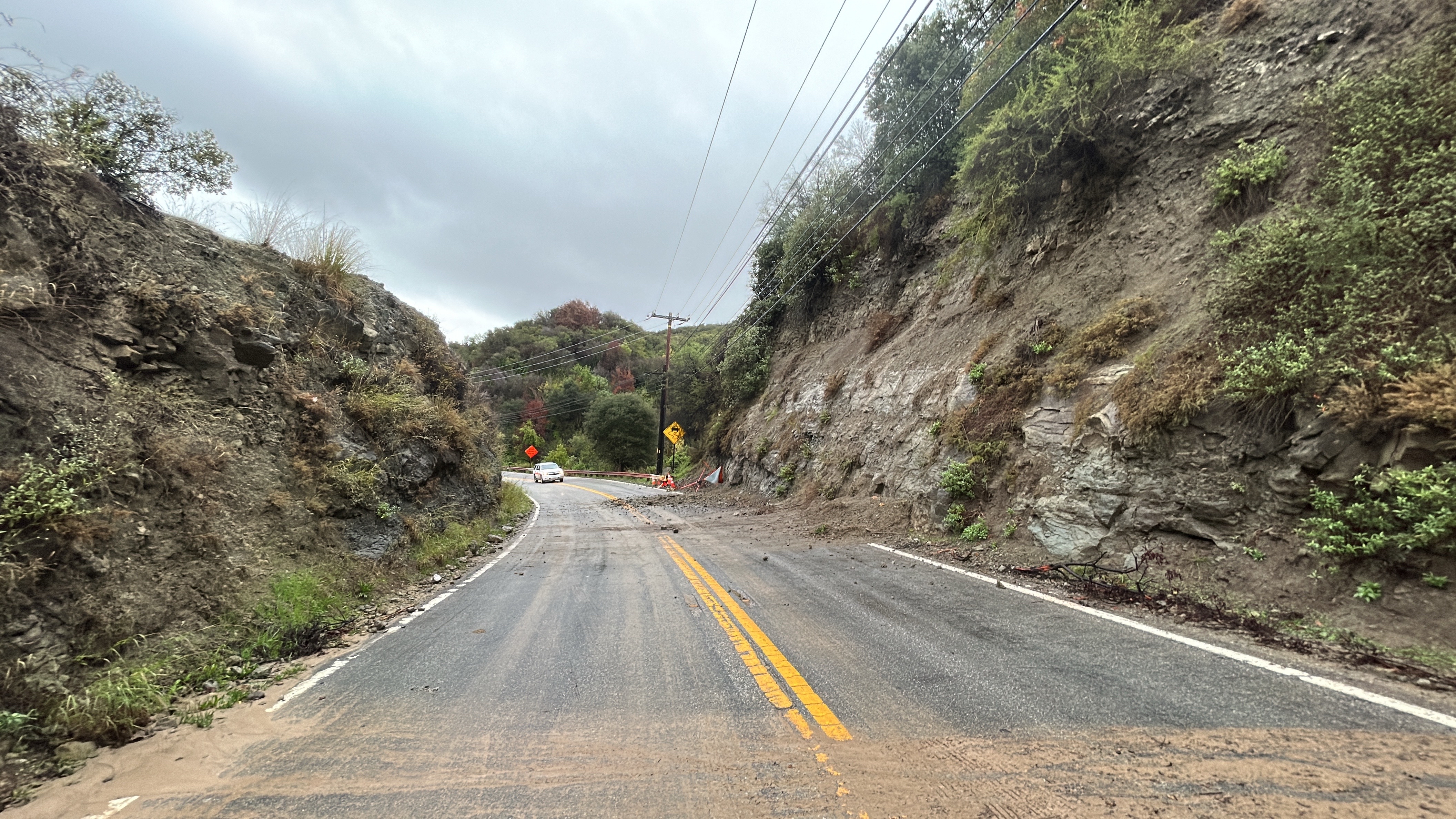
District 7 photo
By Katy Macek
District 7 public information officer
Southern California received an intense bout of rainstorms Nov.13-16, threatening recovery efforts from the Palisades Fire and early 2025 rainstorms that severely damaged Pacific Coast Highway (PCH) and Topanga Canyon Boulevard/State Route 27 (SR-27) in Los Angeles County.
Fortunately, due to statewide and local partnerships along with proactive planning and communication, both highways saw minimal damage after the long-lasting weekend rainstorms.
Caltrans District 7 (Los Angeles and Ventura counties) monitored National Weather Service reports in the week leading up to the storm, and maintenance crews were out on PCH and SR-27 as early as the Monday before the storms to install k-rail, sandbags, waddles and plastic sheeting over slopes to prevent mudflows and debris blockages.
Internal discussions also began about closing a 3.6-mile stretch of SR-27, a narrow and winding stretch of highway that runs perpendicular to PCH and is still an active work zone for emergency projects from the Palisades Fire and subsequent storms.
Additionally, on Thursday, Nov. 13, the California Governor’s Office of Emergency Services pre-deployed resources to Southern California, allowing crews to move quickly when the storms arrived.
That same evening, Caltrans’ geotech engineers along with construction and maintenance crews made the final call to close SR-27 from PCH to Grand View Drive, concerned that if mud or debris flows did happen, it would be dangerous to make a rescue in stormy conditions. The safety of motorists and emergency responders is always Caltrans’ first priority in an emergency.
District 7’s external affairs office jumped into action, knowing the unincorporated community of Topanga relied on SR-27 as its main street. Staff notified the town council and elected officials, as well as nearby school administrators. Crews activated changeable message signs on highways throughout west Los Angeles to alert motorists of the closure and put a notice on Quickmap.
The highway closed at 10 p.m. Nov. 13 with no certainty as to when it would reopen. Knowing how vital the highway was to so many, Caltrans committed to providing daily updates throughout the weekend.
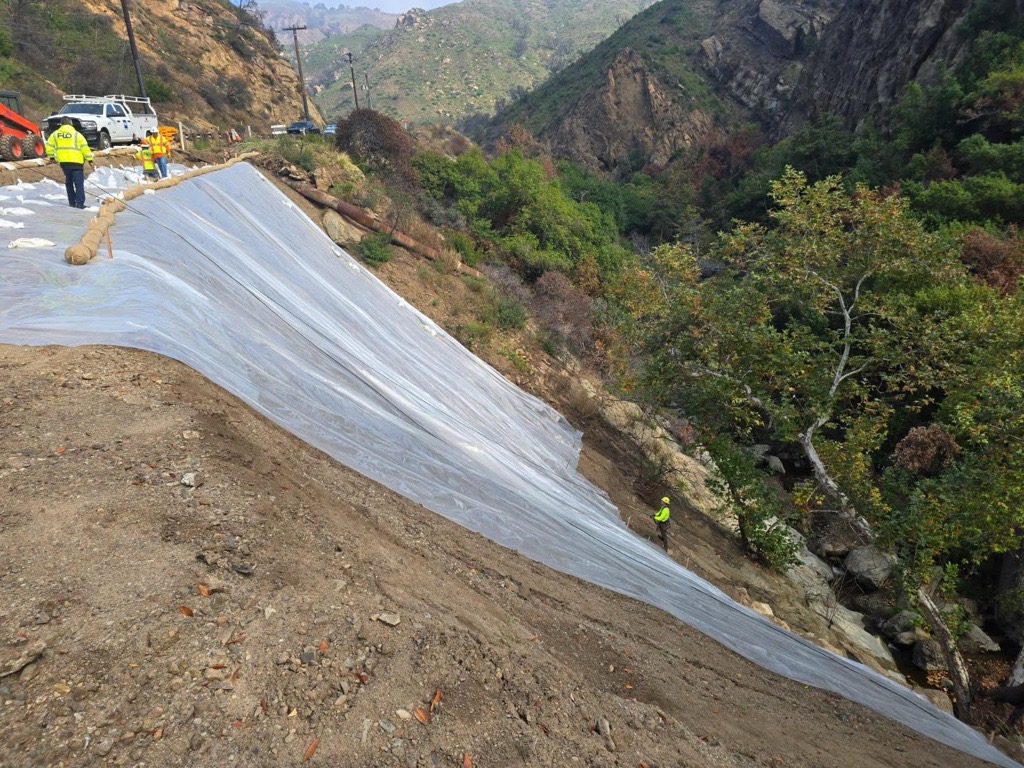
District 7 photo
Maintenance and construction crews worked all weekend monitoring impacts and responding to flooding, downed trees and debris flows, not only on SR-27 but also PCH and numerous highways throughout the region.
District 7 activated its Emergency Operations Center at enhanced watch in case of major impacts.
While PCH saw minor flooding and mudflows, the proactive measures protecting slopes and storm drains led to minimal impacts.
On SR-27, construction crews drove the road each day and cleared it of moderate debris flows and rock falls, while geotech engineers assessed the highway’s conditions.
External affairs shared daily updates on social media and in news releases, in addition to alerting elected officials and the town council, who helped spread news of the continued closure all weekend long.
The closure, though inconvenient, was ultimately safer for motorists and provided construction crews space to quickly clean up any impacts from the storms.
“I would like to extend a great THANK YOU to the Caltrans Team for their proactive communications of the closure of Topanga Canyon Blvd,” Topanga resident Todd Davidovich wrote in an email.
The sun finally came out Tuesday, Nov. 18, allowing crews to finish cleanup and helping dry out the road. It reopened at noon to the traveling public.
The Palisades Fire burn scar area saw 3 to 5 inches of rainfall over the entire storm system, but thanks to the dedication of Caltrans’ crews on the ground, along with advanced planning and statewide partnerships, the weekend storms brought only minimal impacts to two important highways. Now, recovery work can continue.
A long road to completion of the Olancha-Cartago project
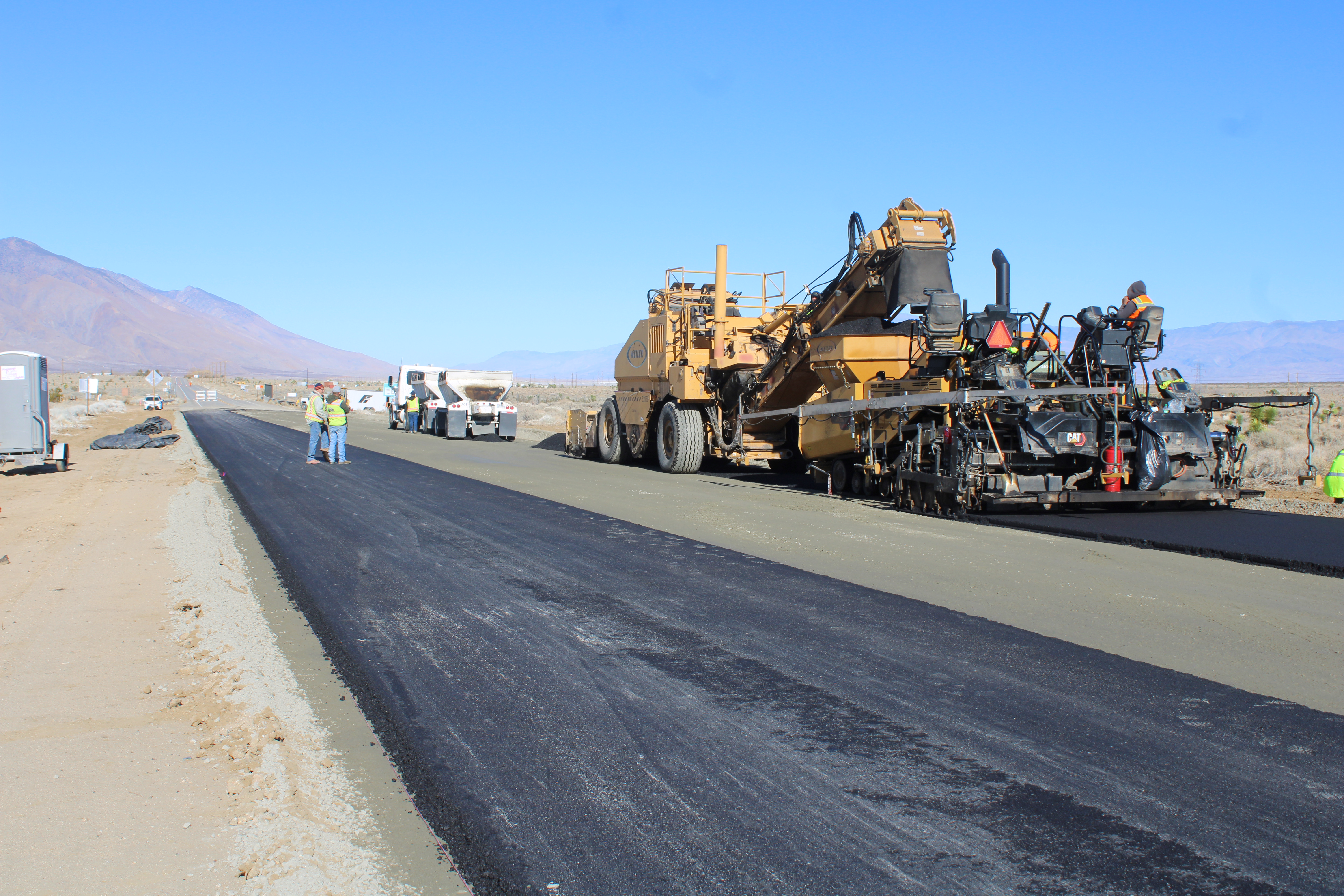
District 9 photo
By Michael Lingberg
District 9 Construction public information officer
The most significant project in the long history of Caltrans District 9 is now complete. The Olancha-Cartago 4-Lane Expressway Project constructed 12.5 miles of new roadway on U.S. Highway 395, the final stretch of U.S. 395 to be converted to four lanes in Inyo County.
The project was initiated in the District 9 Planning branch in 1998, and studies of possible bypasses in the area go as far back as the 1960s. Fisher Sand & Gravel started construction on this project in January 2022.
This project presented many challenges throughout the life of the project, including work stoppages, design changes and severe weather, but crews persevered and saw it through to the end.
Before work on the new lanes began, crews relocated nearly 150 Joshua trees and several desert tortoises within the project area; both Joshua trees and the desert tortoise, symbols of the Mojave Desert, are endangered species.
Meanwhile, crews built a desert tortoise fence that marked the boundaries of the Caltrans right of way to prevent these reptiles from entering the roadway. Instead, these fences will direct the tortoises towards using the many undercrossings that also function as drainage.
An old water tank on which cowboys from a century ago left their signatures was removed from the project site and donated to the Eastern California Museum in Independence.
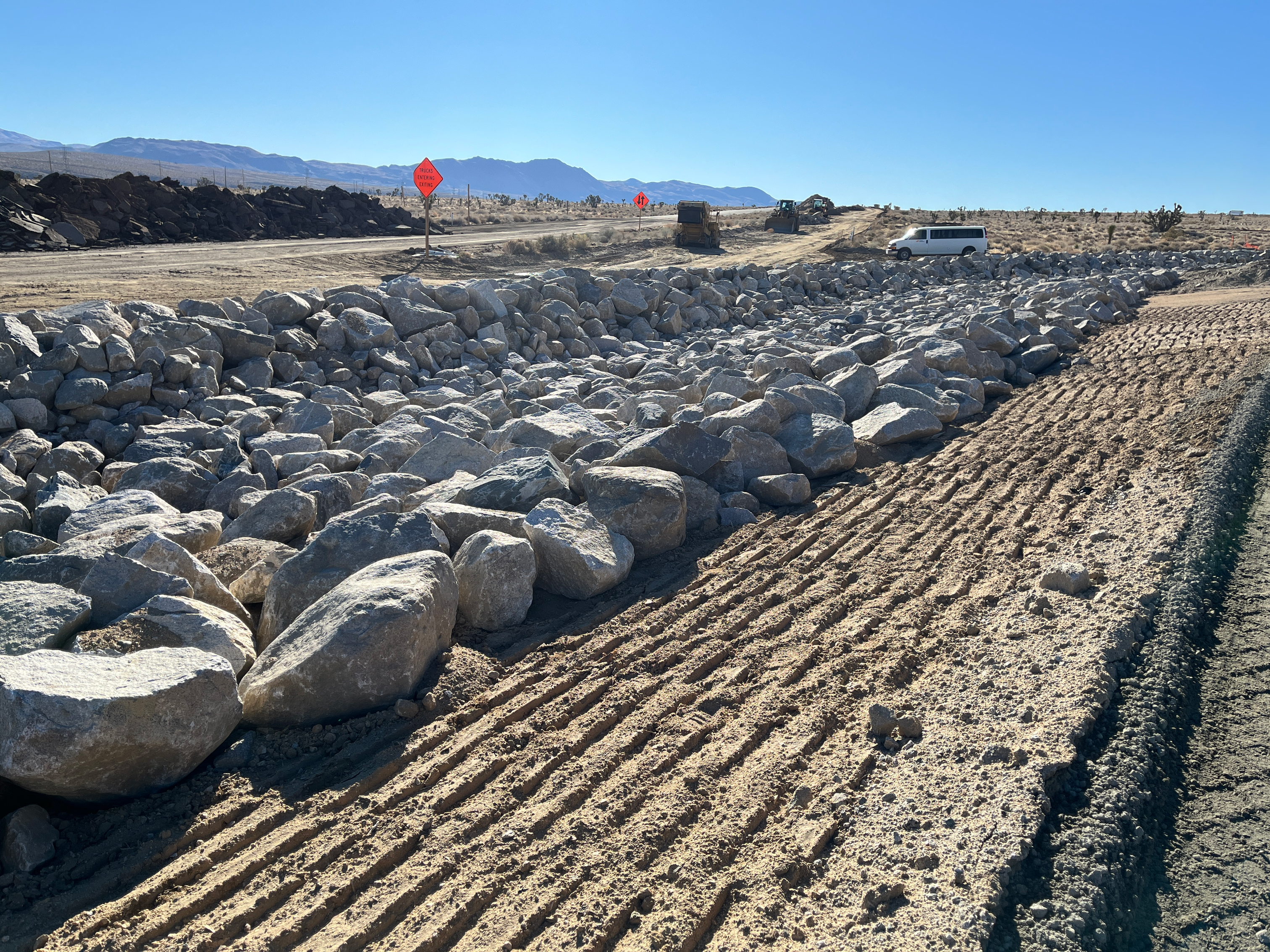
Work on the new lanes started with crews scrubbing the land of vegetation and rocks, first creating a rough dirt road for construction traffic.
To break up the rocky ground, District 10 bulldozers equipped with long, sharp ripper shanks pierced the soil, loosening up the soil and large granite stones and boulders, some of which included evidence of Native American culture such as grinding stones spotted by Native American cultural monitors stationed throughout the construction site. These stones were gently wrapped up to be transported to other parts of the project or donated to the local Native American tribes.
Larger-than-life Volvo dump trucks continuously transported rock and earth to different areas of the project, such as the material handling site discussed in later paragraphs.
The use of a temporary rock crusher and asphalt production were constructed on the material plant on-site. Before large boulders were harvested from the construction site, they would be broken down before they were transported to the crusher.
District 9 photo
This machine utilized this broken-down granite harvested from the alluvial fan at the base of the Sierra Nevada within the project area to create aggregate base and asphalt production. (An alluvial fan is a fan-shaped formation made up of site rock and other debris after heavy, unexpended rains through a narrow canyon over millions of years. By October 2025, crews had moved approximately 1.6 million yards of earth through the project and laid 290,000 tons of fresh asphalt.
Part of the new roadway follows an old Southern Pacific railroad line that transported ore from mining operations such as Cerro Gordo on the opposite side of Owens Lake to Los Angeles and beyond. “The Railroad Cut” refers to a hill through which the railroad; during the Olancha-Cartago project, the railroad cut was significantly widened and completely transformed to accommodate a 4-lane divided expressway rather than a single railroad line.
Remarkable features of this project include a new screen wall in Cartago that’s the result of collaboration between Caltrans and the local Native American tribes, including the Lone Pine Paiute-Shoshone tribe, and bridge construction over the Los Angeles aqueduct in conjunction with the Los Angeles Department of Water and Power.
This was an atypical project in many ways, including the fact the undertaking was redesigned several times during the construction phase. The heavy storms in 2022 and 2023 set crews back significantly, but this project was also an indication of the resilience and toughness of everyone involved on the project. Throughout the last three-plus years, the desire of everyone to push the project forward never wavered.
The new southbound lanes opened to live traffic in October 2024, and the northbound lanes partially opened a month later. This project cost approximately $165 million, $33.9 of which came from the bipartisan Infrastructure Investment and Jobs Act of 2021 (IIJA).
District 9 Public Affairs hosted a ribbon-cutting ceremony on Oct. 23, 2025, to celebrate the end of major construction of this major project that increased safety for the residents of Olancha and Cartago, as well as the general traveling public. This road is now able to handle current and future traffic demands.
Native American Heritage Month: Building Bridges in District 2
District 2 photo
By Mario Montalvo
District 2 public information officer
Every November, Caltrans honors Native American Heritage Month by recognizing the unique histories, cultures and contributions of native people throughout California.
In District 2, that recognition extends far beyond the one month. It’s a year-round commitment reflected in the work of several employees who ensure collaboration, consultation and respect guide our projects across tribal lands and ancestral territories.
For Kendee Vance, Caltrans District 2’s Native American liaison, the key to her work can be summed up in one word: trust.
Over the last 15 years, she’s worked carefully and consistently to build that trust with the 23 tribal governments Caltrans works with across Northern California. “Part of why the relationships we have are as solid as they is because tribes know they can rely on my word,” she said. “That makes all the difference in the world.”
Vance serves as the district’s main point of contact for tribes, facilitating government-to-government coordination on everything from early planning to maintenance and emergency projects. It’s a role that requires patience, integrity and transparency. Those qualities are deeply personal to Vance.
“I’m Mountain Maidu,” she said. “I grew up here. My dad and grandmother shared stories about our culture and traditions. That appreciation for who we are and where we come from shapes how I approach this work. It’s about protecting more than artifacts. It’s about language, plants, traditions and sovereignty.”
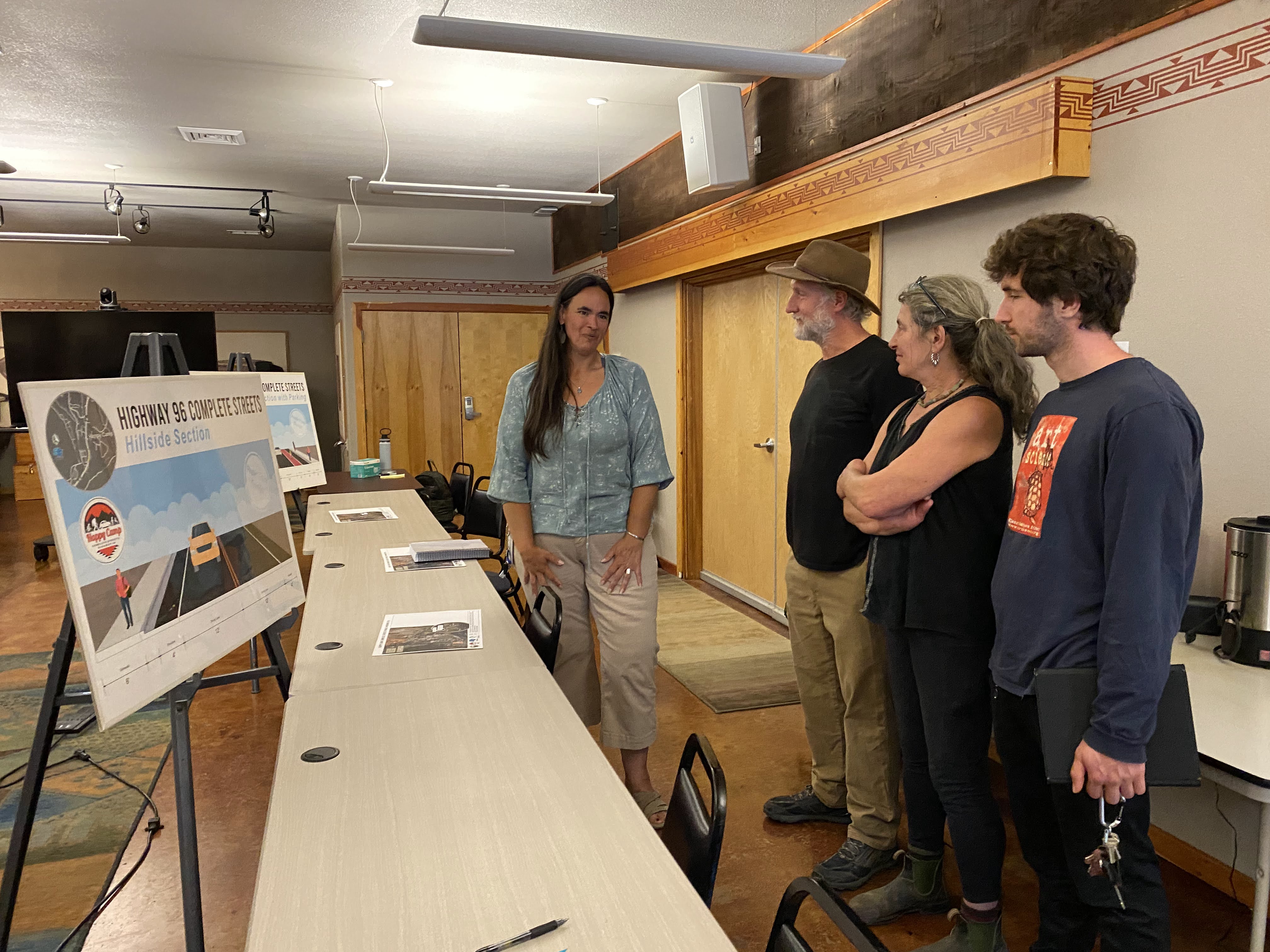
Vance recalls the Happy Camp Complete Streets Project as one of her proudest achievements. It’s a project that took more than a decade to complete, requiring what she called “an insane amount of commitment and dedication.” Collaboration with the Karuk Tribe was central to the project’s success. “It took a lot of trust, a lot of persistence, and a shared desire to achieve something good for the community,” she said.
District 2 photo
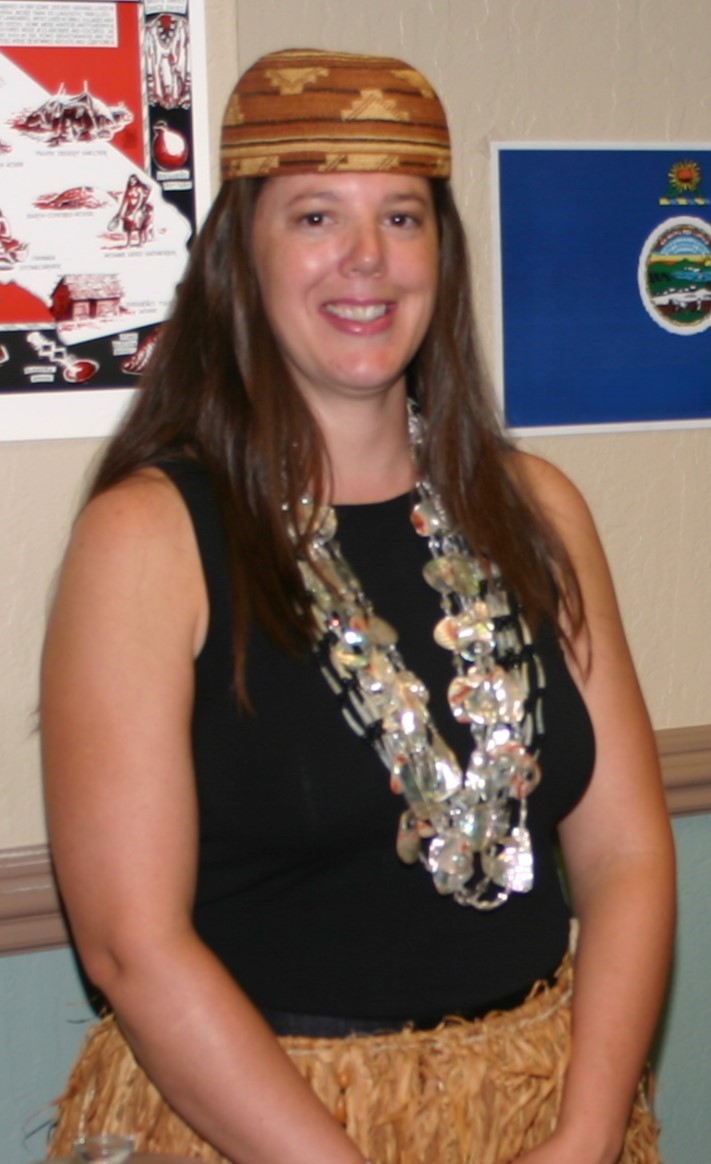
Alongside Vance, District Native American Coordinator for Local Assistance Cassandra Hensher plays a critical but often less visible role in Caltrans’ tribal coordination efforts.
A Karuk tribal member who was raised in Forks of Salmon, Hensher brings deep personal connection and cultural insight to her work. Over the past 19 years, she has built trusted relationships across the region. Vance describes those relationships as “instrumental” in maintaining the district’s strong partnerships with tribal governments.
In Local Assistance, Hensher ensures that Section 106 consultation and compliance are completed for cities, counties and local agencies receiving federal funds, supporting projects that affect both federally recognized and non-federally recognized tribes. Her knowledge and experience make her mission critical to the district’s commitment to preserving tribal cultural resources.
“I really enjoy working in Local Assistance, helping local agencies repair and maintain the roads we drive on everyday — and also helping them understand and build relationships with their local tribes.” Hensher said. “Some people may be uncomfortable or don’t understand why we need to focus on relationships with tribes, but you can really just think of it as ‘protocols.’
“We’re working with tribes to understand each other and develop protocols that allow us work together respectfully and efficiently.”
If Vance and Hensher are the bridge between Caltrans and tribal governments, Liz Truman is the connection that ensures those relationships remain strong through every project phase.
As the District Native American coordinator and an archaeologist, Truman manages the day-to-day coordination that keeps communication open and meaningful.
“I like to say I’m a communication pipeline,” she said with a laugh. “About 99 percent of what I do is listening, responding and making sure everyone stays informed.”
Truman’s work involves organizing consultations, reviewing documentation and helping ensure cultural and archaeological resources are identified and protected. But for her, the job goes far beyond compliance, it’s about understanding the people connected to the land.
“Tribal consultation is about hearing what’s important to the tribes,” she said. “We’re not just checking boxes. We’re learning from people whose connection to this land goes back thousands of years.”
That awareness is crucial because the roads Caltrans builds and maintains often trace the same paths that once served as tribal trails or stagecoach routes.
“The past isn’t as far away as people think,” Truman said. “A lot of our work still overlaps with those earlier pathways. It’s good to remember that.”
For all three women, every project and every conversation is a chance to honor the history beneath our highways and the people who continue to care for it. “We’re not just building roads,” Truman said. “We’re building relationships, and those are what keep everything moving forward.”
Vance emphasized the importance of everyone understanding that history and encourages Caltrans staff to take advantage of training opportunities like CalHR’s Tribal Consultation course, which provides insight into the history, sovereignty, and priorities of tribal nations.
“It’s like I always tell people, the best time to start learning about indigenous cultures was the first time you thought about it,” Vance said. “The second-best time is now.”
HEO Academy shows students high-demand career paths

Headquarters photo by John Milne
By Erin Gallup von Tersch
Caltrans Office of Civil Rights business communications manager
Fresno middle and high school students explored hands-on heavy equipment training at Caltrans’ Heavy Equipment Operator (HEO) Academy on Nov. 14, experiencing firsthand how fun these in-demand and high-paying careers are.
Forty-four students from Scandinavian Middle School and Duncan Polytechnical High School spent the day at Caltrans’ Fresno Heavy Equipment Operator Academy, trying out simulators, meeting instructors and learning how HEO careers offer strong wages, job stability and opportunities to work statewide.
(Click here for a photo gallery of the event.)
The event was part of Caltrans’ On-the-Job/Supportive Services Program, which increases access to skilled trades for women, minorities and other underrepresented groups. Caltrans partners with industry and education leaders to offer training that helps participants earn certifications and launch careers in the heavy highway construction industry.
Students rotated through stations featuring heavy equipment simulators — technology that allows participants to learn basic tasks 40 percent faster, according to Sandy Mitchell from Baker Technical Institute (BTI). BTI is the Caltrans Heavy Highway Construction Trades Academy training provider and brought mobile training units with simulators, which the students said felt like video games — but with real-world skills.
“I liked that the simulator made it physically feel like I was moving the bucket, dumping the dirt, and driving,” said eighth-grader Zahara. “I like this field trip.”
Others said the day opened their eyes to new options. “These simulators are good. I like how realistic it is,” said seventh-grader Giovanni. His classmate, Michael, added, “It feels like real life.”
HEO Academy leaders emphasized that students could enter these careers right out of high school. “If you’re interested, you can do this and get paid $30 to $70 an hour — or even up to $100 an hour,” said Caltrans Maintenance Supervisor Jeremy Gorman. “Operators can make over $100,000 a year. These are real options.”
BTI instructor Sandy Mitchell encouraged students — especially girls — to consider these trades. “You don’t have to limit yourself because you’re female,” she said. “Technical education is huge. Contractors are having trouble finding operators, and wages are rising.”
Instructors stressed that hands-on training builds confidence, opens doors, and provides viable alternatives to four-year college paths. For more information, visit https://dot.ca.gov/programs/civil-rights/workforce-development-branch and https://dot.ca.gov/programs/civil-rights/workforce-development-branch/heavy-highway-construction-trades-academies
Kevin Andersen takes to the skies up north
District 2 photo
By Haleigh Pike
District 2 public information officer
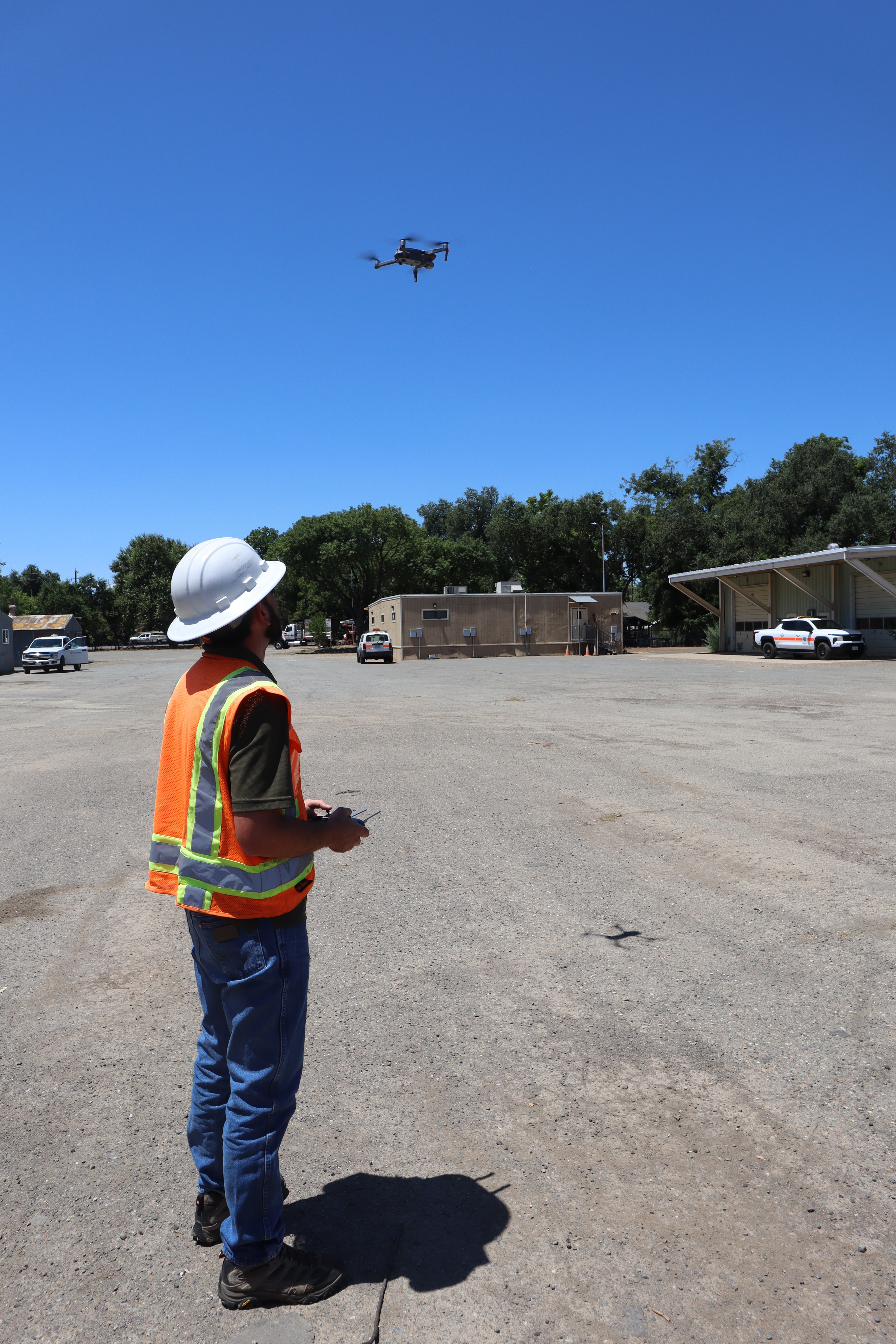
When you see a drone hovering above a Caltrans District 2 work site or emergency area, there’s a good chance that Redding Landscape Supervisor Kevin Andersen is behind the controls.
Recently, Andersen took on an additional role as the district’s drone operator for field maintenance, capturing aerial footage and photos that offer a new perspective on the important work happening across the region.
From documenting maintenance operations to surveying areas impacted by storms, slide and other natural disasters, Andersen’s footage helps the district better understand work zone logistics, enhance training and plan future emergency responses.
“It’s been an incredible experience getting to see our work from above,” Andersen said. “The drone gives us a view we just can’t get from the ground, and it tells the story of what our crews do every day and how much effort goes into keeping our highways safe.”
Andersen began his career in January 2020 as a highway maintenance worker, where he earned his Class A license outside of Caltrans while continuing to build his skills in the field. From there, he promoted to a CEO II position and later obtained his Qualified Applicator Certification (QAC), which allowed him to advance to landscape leadworker within Vegetation Control.
During that time, Andersen served out-of-class as the Red Bluff Supervisor for nearly a year, followed by an out-of-class assignment as the Redding landscape supervisor. In June 2023, he was officially appointed to that position on a permanent basis.
What makes Kevin’s placement in his new drone role unique is his creative eye, shaped by a deep passion for photography.
“I’ve always been fascinated by how a single image can capture emotion, tell a story, or preserve a fleeting moment that words often can’t describe,” Andersen said. “Photography gives me the opportunity to view the world through a different lens, both literally and creatively, allowing me to appreciate the details and depth of everyday life.”
Outside of work, Andersen enjoys documenting his family’s adventures, including moments with his daughter Raven, and wife, Amanda Andersen, who serves as the small business liaison for District 2. His photography interests are wide-ranging, from the peaceful beauty of nature to the fine details of macro shots and the wonder of the night sky through astrophotography.
“Choosing a favorite subject is difficult because I enjoy capturing so many different things,” Andersen said. “But I’ve always had a special appreciation for black-and-white photography. Without the distraction of color, it reveals raw emotion, texture and contrast, bringing out the true essence and story within each image.”
Whether he’s photographing a quiet mountain sunrise or filming maintenance crews clearing a rockslide, Andersen’s goal remains the same, to capture the dedication, skill and heart of the people who keep California moving.
“I really do enjoy being able to show what our crews do from a new angle,” Andersen said. “It’s rewarding to know the work I do helps tell their story and supports our team in the field.”
With his combination of creativity, technical skills, and dedication to public service, Andersen is helping District 2 see its work, literally, from a whole new perspective.
The gift that keeps on giving: Tort Feasor!

Interested in reading something that is (a) interesting, (b) educational and, let the record show, (c) work-related?
Check out this Legal Division webpage! (Onramp access only)
The Caltrans Tort Feasor is published by the Caltrans Legal Service Center to alert project development and maintenance/operations staff to ways to minimize the risk of actions that could endanger members of the traveling public, and thereby to minimize risk of legal actions. Names are changed to protect subjects' privacy.
The webpage accesses all manner of legal cases related to Caltrans work. To whet your appetite, here’s the most recent scenario/case study:
Light contact, heavy claims
On a clear January morning, a Caltrans highway maintenance worker was positioned at the intersection of “White” Road and State Route 999, serving as a warning vehicle for an active pavement marking operation.
With amber lights flashing and backup alarms sounding, he carefully reversed to create space for the paint truck, believing the path was clear, when his vehicle made light contact with Karen’s car at approximately five miles per hour.
Karen and her passenger later sued Caltrans, alleging severe back and neck injuries. Plaintiffs treated on lien (to be paid out of any lawsuit recovery), amassing over $1,000,000 in medical charges, though the impact indicated that injuries should not have been that severe.
Plaintiffs’ overreach likely resulted in a defense verdict as the jury found no causation and awarded no damages.
Case lessons: Always report any collision immediately and document the scene thoroughly. prompt photos and supervisor notification help Caltrans preserve evidence and equip attorneys to challenge exaggerated or unsupported injury claims.
Health and Safety
All in good health: Tips on coping with winter
From the Office of Employee Health and Safety
Caltrans values you as a member of our team, and your mental well-being is very important to us.
In wintertime, it's common to feel a shift in mood and energy. Winter can bring unique mental health challenges, including seasonal affective disorder (SAD), increased stress, and feelings of isolation.
Here are some helpful tips to support your mental well-being this season.
- Get natural light daily. Try to spend time outside during daylight hours, even if it's cloudy. Open blinds and sit near windows when indoors.
- Stay active. Regular movement boosts mood and reduces stress. Try indoor workouts, winter walks, or stretching routines. Even 10 minutes of movement can make a difference.
- Prioritize sleep. Stick to a consistent sleep schedule. Avoid screens before bed and create a calming nighttime routine. Aim for 7- 9 hours of quality sleep.
- Stay connected. Reach out to friends, family, or coworkers regularly. Schedule virtual or in-person check-ins. Don't hesitate to talk about how you're feeling.
- Eat nourishing foods. Fuel your body with balanced meals and stay hydrated. Limit excess sugar and caffeine, which can affect mood and energy.
- Practice mindfulness and stress management. Try deep breathing, meditation, or journaling. Take breaks during the day to reset and recharge. Set realistic expectations and be kind to yourself.
If feelings of sadness, anxiety, or hopelessness persist, reach out to a mental health professional. The Employee Assistance Program offers a wide array of support programs to assist in any season of life.
Who’s New
Onalis Cruz, executive liaison for Project Delivery
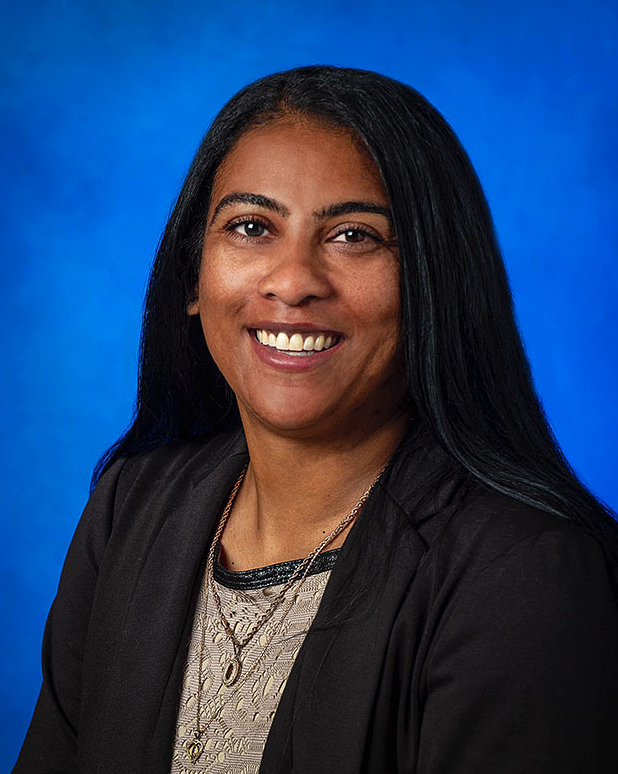
Onalis Cruz is the new executive liaison for Project Delivery.
In her new role, Onalis provides high-level support to Donna Berry in her capacity as deputy director of Project Delivery and chief engineer. She is coordinating priorities, managing communications and ensuring alignment and operational efficiency across the Project Delivery divisions.
Additionally, Onalis is taking on the responsibilities of chief of staff, acting as a key resource for coordination and communication with all partners. She is the central point of contact for assignments, briefings, and strategic initiatives, providing valuable support to Berry’s leadership team.
Onalis brings with her an impressive 18 years of state service, having worked at the Department of Corrections, Department of Consumer Affairs, Caltrans, and CalSTA. For the past five years, she has supported Secretary of Transportation Toks Omishakin at CalSTA, where she advanced strategic priorities and cross-departmental collaboration.
Outside of work, Onalis enjoys traveling, photography and spending time with her husband and their three children, especially cheering on her son at baseball games. She is excited to support the Project Delivery team and contribute to initiatives that help move California forward.
Byron Lim, Encampment Program director

Note: The following was emailed to all Caltrans employees by Director Dina El-Tawansy.
Byron Lim has been appointed by the governor as the Encampment Program director.
Byron brings more than 26 years of dedicated service and broad experience across the California Department of Transportation (Caltrans).
He began his Caltrans career in 1998 as a transportation engineer in Structure Construction before rotating to Structure Design and later to the Office of Structure Maintenance & Investigation.
In 2018, Byron expanded his public service experience by joining the city of Mountain View’s Public Works Department. He returned to Caltrans in 2019 as part of the Cooperative Agreements Branch within Program & Project Management and later promoted to project manager overseeing Tunnels & Tubes Director’s Orders and multiple projects in Napa County.
In 2021, Byron was selected as the District 4 Clean California program manager, leading several of the governor’s key Clean CA initiatives. He went on to hold additional leadership roles within the district, serving as the supervising transportation engineer in the Office of Maintenance Performance (2023) and advancing to assistant deputy district director for Field Maintenance in 2024.
In his new role, Byron will serve as the department’s primary lead and single focal point coordinating the Encampment Program. He will work closely with the deputy director for Maintenance, Operations, Safety & Equipment, the assistant deputy director for Public Affairs, and all 12 Caltrans district directors to advance the program’s mission and objectives.
Kenneth (Ken) Murray, new deputy division chief in Division of Design
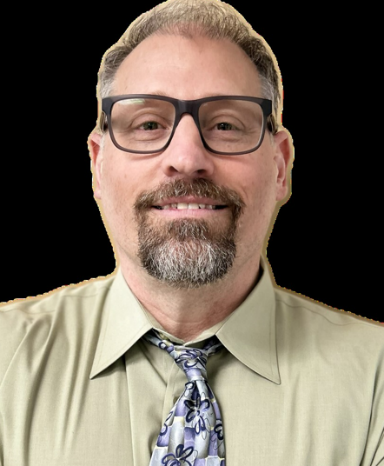
Kenneth (Ken) Murray is the new deputy division chief (principal landscape architect) in the Division of Design overseeing the Landscape Architecture Program, the Office of Complete Streets and the Offices of Development and Support Services.
Ken brings 26 years of experience working with Caltrans and has held various positions in the Divisions of Design and Maintenance including acting as the deputy division chief of design for the previous six months.
Ken graduated from UC Davis with a bachelor of science degree in landscape architecture and started his career with Caltrans. For two years he worked in North Region as a landscape associate and then promoted to become the district landscape architect for the next 10 years.
Ken then began working for Headquarters’ Division of Maintenance in the Office of Roadside Management for eight years. He has also served as an executive senior assistant for the Division Chief of Maintenance and held an acting assignment as the office chief for Roadside Management.
He has also rotated through the Division of Headquarters Programming and North Region Construction. Ken then returned to the Division of Design as an office chief for LAP Office of Standards and Procedures where he has been for the past three years prior to his acting assignment as the deputy division chief.
Ken has also served as the chair for AKR20 – Standing Committee on Roadside Maintenance Operations as a part of the Transportation Research Board and is a current committee member for AKL18 – Standing Committee on Roadside Landscape and Environmental Design, Operations and Maintenance.
In his spare time, Ken enjoys traveling, hiking, biking and helping raise service dogs for Canine Companions with his wife, Jennifer.
Obituaries
Walter Franklin Butcher Jr., retired engineer
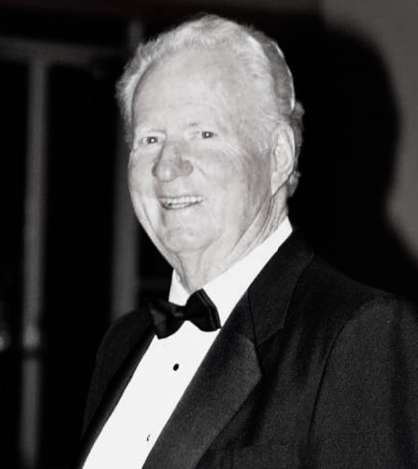
Note: The following obituary appeared in the San Diego Union-Tribune.
Retired Caltrans engineer Walter Franklin Butcher Jr. was born on Oct. 27, 1937, in Des Moines, Iowa, and earned his Angel wings on August 12, 2025, in San Diego.
Walt grew up in Kearny Mesa with his six siblings and attended Kearny High School. He served in the Army and was stationed in Monterey. After completing his service, he settled back in San Diego where he met his beloved wife, Linda Flaherty. They were married in 1960 and started their new life in Fletcher Hills.
Walt converted to Catholicism in 1960 where his lifelong friend John Adams served as his sponsor. He was a devoted Catholic and his faith was a guiding force in his life. He centered his life around family and serving others.
Walt was a self-made man, and while working for Caltrans, he studied part time at SDSU. He went on to become a civil engineer, and partner and owner of SB&O Inc.
Walt was a lifelong volunteer in many organizations; Our Lady of Grace, OLG Choir, Whispering Winds, International Relief Team, The Friendship Force, Cursillo and was inducted into the Knights of the Holy Sepulchre. During his retirement he enjoyed golfing, fishing and traveling the world with Linda and their best pals.
Walt is survived by his loving wife of 65 years, Linda, his children: Stephanie Butcher, Allen Butcher (Barbara), Michael Stephen Butcher (Debbie), Karen Barton (Kip) and John Robert Butcher (Cece); his grandchildren and great-grandchildren, whom he was devoted to: Michael Patrick Butcher (Lauren), Steven Butcher, Lauren Barton, Nikki Butcher, John Michael Butcher, John Liam Butcher, Jadyn “Jay” Butcher, Molly Butcher, Riley Butcher, and Bradyn Butcher; his sister Nancy Ryman, and many nieces and nephews.
He is predeceased by his parents Walter and Erma Butcher, his brothers: Edward, Chuck, Ray, and Phil, his sister Mary Adam, and daughter-in-law Debbie Butcher.
Bernard Witcomb, retired bridge engineer
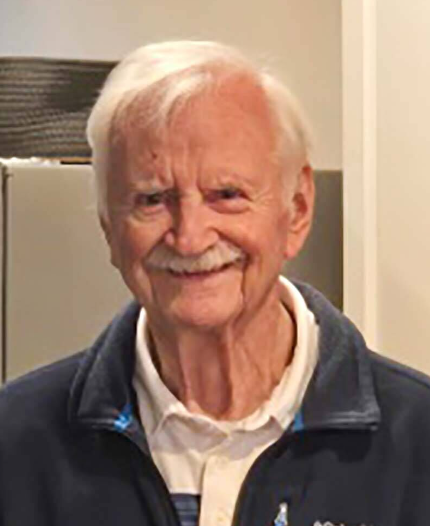
Note: The following obituary appeared in the Caledonian Record (Vermont).
Retired Caltrans bridge engineer Bernard Witcomb, born March 20, 1937, died July 23 in Oakdale.
Bernard passed away peacefully at the age of 88 at his home.
He was born and raised in St Johnsbury, Vermont, and re-located to California for a position with Caltrans.
He retired after a life-long career as a Senior Civil Engineer Bridge Division.
Bernard is survived by his three sons, five grandchildren and eight great-grandchildren.
Bernard is also survived by his three beloved sisters and one brother.
- All-in-one version
- DOT Shots
- HEO Academy gallery
- News
- Obituaries
- Retirements
- Service Awards
- Who's New