

All-in-one version
News
CTF Summer of Giving Campaign
 Learn more about the Summer of Giving by clicking this image to see a short video.
YouTube screenshot
Caltrans is proud to support the California Transportation Foundation's Summer of Giving campaign.
Please consider making a donation to support this important work. Every contribution makes a meaningful difference.
Learn more, and donate here.


California honors Caltrans workers for acts of heroism
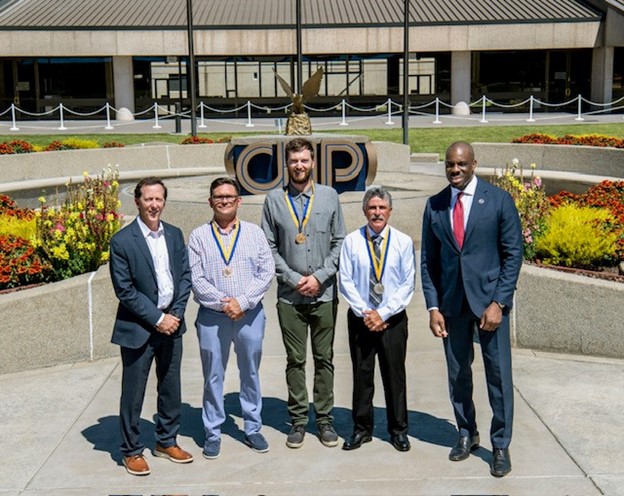 Caltrans Medal of Valor winners, beginning second from left, are Anthony Coscia, Tobin Hook and Steve Quinliven. At left is Chief Deputy Director Cory Binns and at right is CalSTA Secretary Toks Omishakin.
Headquarters photo
California on June 15 recognized three Caltrans employees with the Governor’s State Employee Medal of Valor, the highest honor bestowed to public servants who perform extraordinary acts of heroism above and beyond the normal call of duty and at great risk to their own lives.
"The heroism recognized today from these Caltrans employees reflects the extraordinary courage, selflessness and commitment to keep Californians safe,” said California Transportation Agency (CalSTA) Secretary Toks Omishakin. “The heroism recognized today from these Caltrans employees reflects the extraordinary courage, selflessness and commitment to keep Californians safe.”
"These workers bravely risked their personal safety to provide life-saving service to their communities and the people of California,” said Caltrans Director Dina El-Tawansy. “Today, the entire Caltrans family joins Governor Newsom in honoring their selfless acts and thank them for their willingness to help others.”
Receiving the Gold Medal of Valor: Tobin Hook, District 5 landscape associate, and Anthony Coscia, District 5 transportation engineer, for courageously entering the Pacific Ocean on Aug. 29, 2024, near the town of Davenport in Santa Cruz County and helping a drowning woman to shore, starting CPR and other life-saving measures until emergency personnel arrived.
Receiving the Silver Medal of Valor: Steve Quinliven, District 1 equipment operator, for heroic service rendered on May 12, 2025, by providing first aid and attending to a distressed female motorist, whose car was dangling precariously on an embankment beneath State Route 162 in Mendocino County, until emergency personnel arrived.
The annual State Employee Medal of Valor award was first presented by Governor Edmund G. Brown Sr. in 1959.
In the 67 years these medals have been awarded, more than 800 state employees – including 133 from Caltrans – have earned medals of valor for their courage and selflessness in the face of danger.
Caltrans helps to ensure future of iconic butterflies
State of California graphic
By the Division of Public Affairs
As thousands of western monarch butterflies return this fall to their overwintering sites along the central coast and other coastal locations of California, Caltrans and partner agencies are working to protect their migration and habitats, which are increasingly stressed by urban growth and climate change.
Caltrans’ engagement in the California Multi-Agency Monarch and Pollinator Collaborative (Pollinator Collaborative), along with enrollment in the Nationwide Candidate Conservation Agreement with Assurances (Monarch CCAA), demonstrates the department’s commitment to the long‑term conservation of western monarchs. Through the Collaborative, participating agencies have agreed to improve the identification of western monarch habitats in California and advance implementation of science‑based conservation actions. Together, these actions reflect Caltrans’ leadership role in elevating and coordinating western monarch conservation efforts statewide.
“Caltrans’ engagement in the Collaborative and our enrollment in the Monarch Candidate Conservation Agreement, demonstrates our ongoing commitment to the conservation of monarch butterflies. Caltrans is actively implementing conservation actions that positively impact monarchs and their habitats, ensuring that our efforts contribute to the long-term survival of pollinator species,” said Caltrans Director Dina El Tawansy.
Monarchs, like many of California’s invertebrate pollinators, are experiencing steep population declines—a troubling trend shared by numerous species of bees, nectar‑feeding bats, and other butterflies. More than a third of agricultural crops and 85 percent of all flowering plants rely on pollinators to trigger the germination process needed to grow fruit or flowers. Nearly a quarter of all native North American pollinators are now at risk of decline in population, according to a 2025 study. The loss of even a small portion of these species would have significant ecological repercussions, affecting agricultural productivity as well as the broader function of plant communities, wildlife interactions, and natural ecosystem processes.
As part of its long-standing stewardship practices, Caltrans routinely incorporates monarch and pollinator conservation into the project planning and field operations. Caltrans supports monarch and pollinator habitat through the use of native, climate‑appropriate, and pollinator‑supportive vegetation during the Project Development Process.
To support this effort, Caltrans developed “species cards,” are distributed to maintenance crews, contractors, inspectors, project managers, etc. These cards provide concise, science‑based guidance for working safely and responsibly in areas where sensitive species may be present. The monarch card specifically highlights the importance of milkweed and encourages staff to engage with their District Biologists to further understand what monarch habitat is and how to survey monarchs prior to vegetation management practices.
Caltrans’ enrollment in the Monarch CCAA further underscores its commitment to long‑term monarch conservation. As part of this agreement, Caltrans designates specific rights‑of‑way that support monarch habitat as idle lands, allowing extended intervals between vegetation treatment cycles to maintain monarch‑friendly habitat.
By joining the Pollinator Collaborative, Caltrans strengthened its commitment to advancing statewide western monarch and pollinator conservation. Caltrans will develop performance targets to guide and measure improvements in western monarch habitat over the next five years through the Monarch CCAA..
The Pollinator Collaborative identified the following actions as high priorities to augment western monarch conservation in California:
• Develop common western monarch habitat definitions for the West.
• Track implementation and success of habitat projects.
• Centralize existing pollinator resources.
• Improve the availability of native plant materials.
• Develop a demographic model to help identify key vulnerabilities in the western monarch life cycle.
In addition to Caltrans, the members of the collaborative are: the U.S. Bureau of Land Management, California Coastal Commission, California Department of Food and Agriculture, California Department of Fish and Wildlife, California Department of Parks and Recreation, California Department of Pesticide Regulation, California Wildlife Conservation Board, National Park Service, Natural Resources Conservation Service, U.S. Fish and Wildlife Service, U.S. Forest Service, and U.S. Geological Survey. The Department of Defense is also involved in an unofficial capacity.
Combined, the member agencies own or manage approximately 50 percent of California’s land area.
To read the full report or learn more, visit the California Multi-Agency Monarch and Pollinator Collaborative page.
Temp assignment an eye-opener for Equipment superintendent
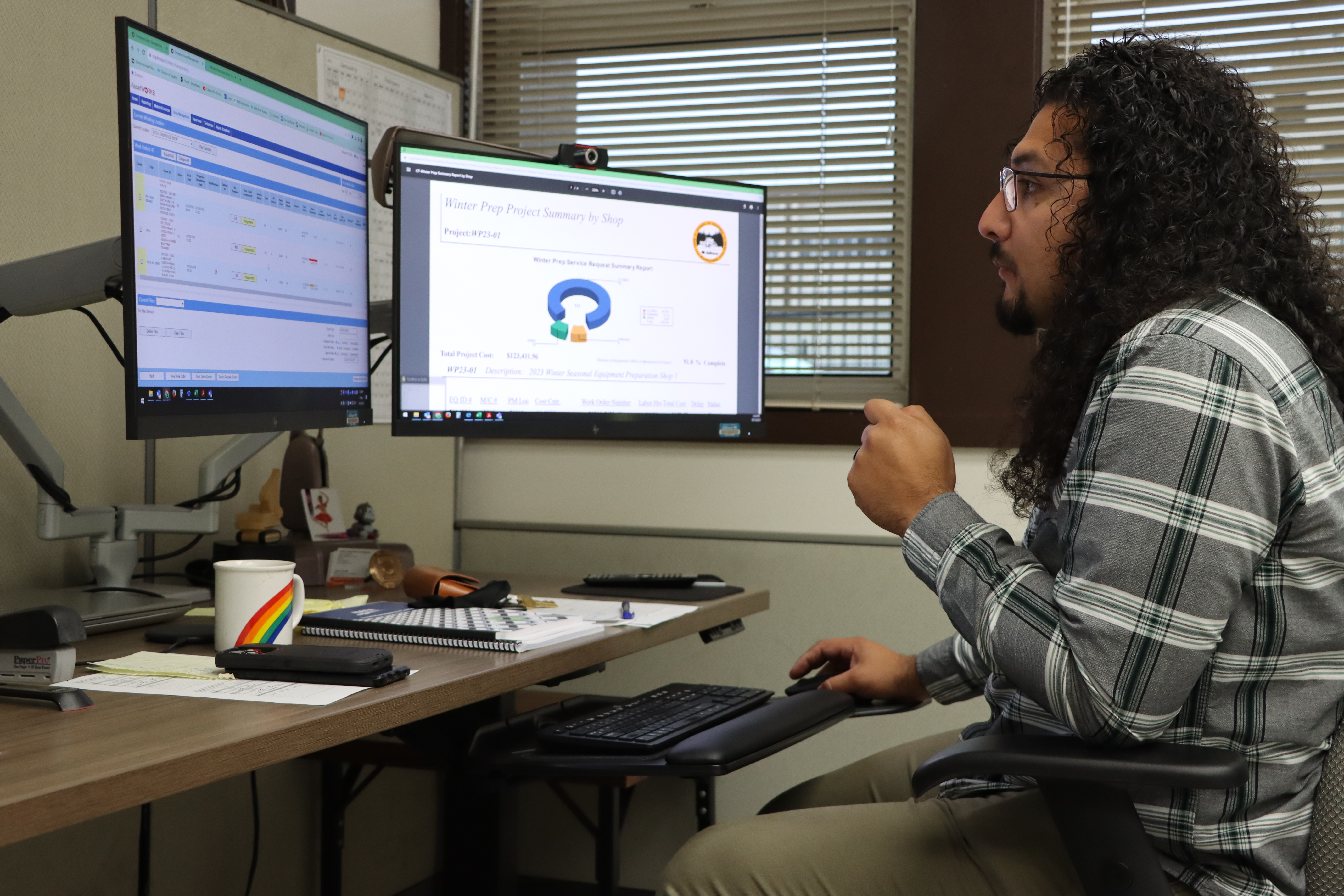 Highway Equipment Superintendent II John Saldana took on the temporary job as Division of Equipment as the Shop 4 Highway Equipment Superintendent III.
District 1 photo
By Manny Machado
District 1 public information officer
Have you ever wanted to continue working at Caltrans while getting to know a different part of the state? Temporary assignments are designed to address urgent, seasonal or specialized needs in shop, maintenance projects, or construction support often providing employees with the opportunity to gain experience in higher-level classifications.
John Saldana, a Highway Equipment Superintendent II in Eureka, learned of an opportunity in District 4. After conversations with coworkers, friends and family, he decided to take on the challenge and accepted the position.
After packing his bags and leaving the North Coast, John arrived in San Leandro and began his role within the Division of Equipment as the Shop 4 Highway Equipment Superintendent III. He quickly realized that his responsibilities were much more extensive than those in District 1.
“I was responsible for overseeing the maintenance and repair of 2,290 vehicles and equipment across nine Bay Area Counties, while also developing our district's leadership team,” John said. “Despite more equipment, we still faced issues with breakdowns and malfunctions, along with preventive maintenance. Our skilled heavy equipment technicians handled these problems efficiently.”
While in the Bay Area, John gained significant insight. He built many relationships and worked with many great individuals. This involvement gave him a broader perspective on team and individual impact within the organization.
“The real challenge was my personal growth as a leader, providing support to my team while we learned and grew together,” John said. “Without their support and willingness to grow, the experience would have been far more mentally and emotionally draining.”
John’s assignment in District 4 lasted almost a year, and despite the challenges and sacrifices, he said it was a valuable experience.
“Overall, it was an enriching learning journey. I built a strong network of friends and coworkers, developed leadership skills, and grew personally. Being away from my family was tough. Video calls weren't enough. My wife and children were strong through the entire experience, and we enjoyed adventures in the Bay when they visited.”
John encourages other Caltrans employees to explore temporary assignments. The short-term roles typically last six months or less and are advertised on the HR Temporary Assignments page.
“We are fortunate enough to be part of an organization that values its people and is able to provide opportunities for growth and upward mobility. Prepare for your next steps by taking advantage of temporary and out-of-class assignments. Try something you find interesting – you'll learn something new and gain a better understanding of our operations.”.
John also wanted to express his appreciation to Tommy Rossi for taking over his responsibilities at the Eureka shop while he was in the Bay Area.
Program helps Maintenance employees drive toward their goals
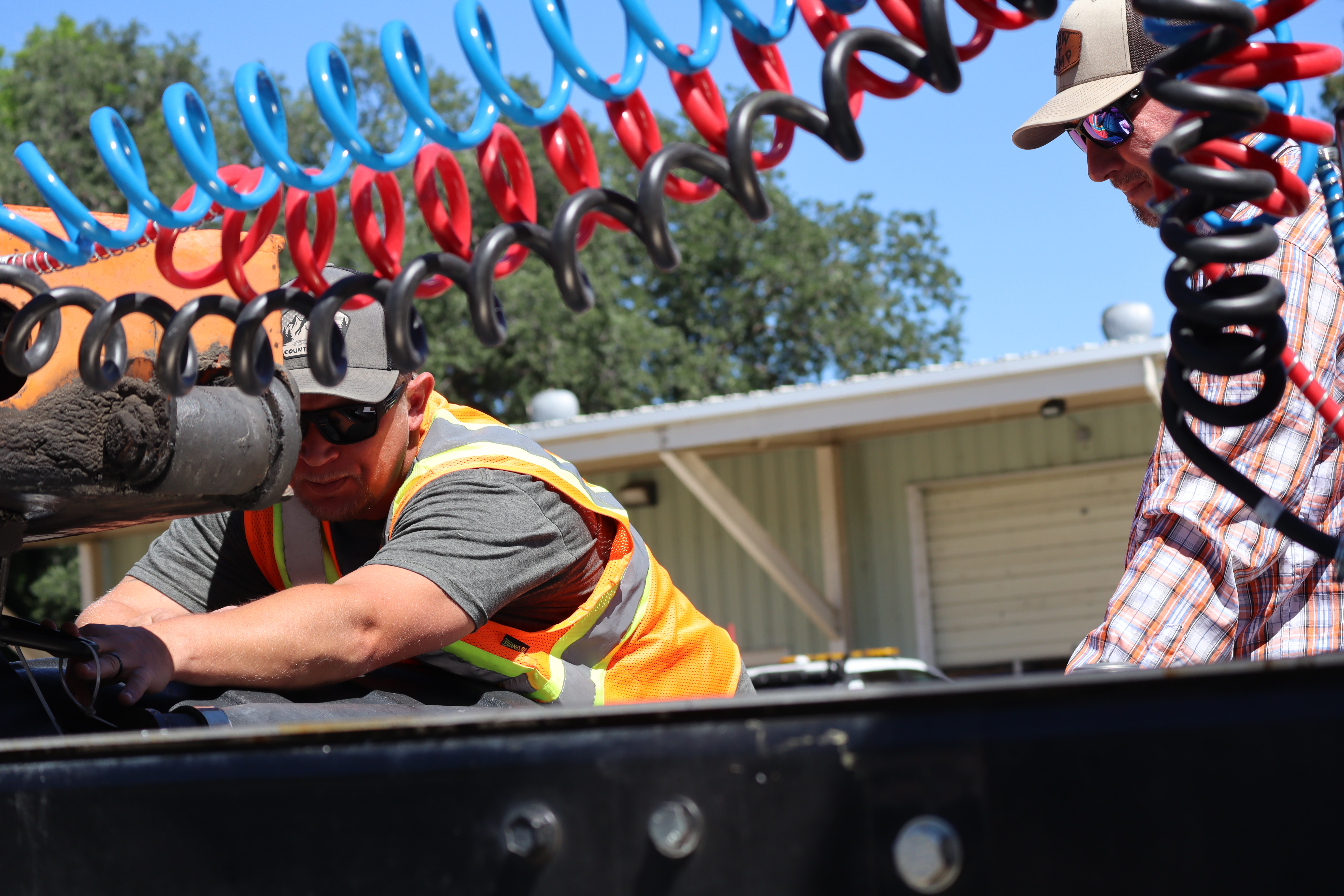 The CDL Fast Track Program in District 2 has already helped eight employees earn their Class A Commercial Driver’s License.
District 2 photo
By Haleigh Pike
District 2 public information officer
For Maintenance employees looking to take the next step in their careers, the CDL Fast Track Program is opening new doors across Caltrans District 2. Since launching in October 2025, the program has already helped eight employees earn their Class A Commercial Driver’s License (CDL), creating new opportunities for upward mobility within the department.
The two-week course was created to assist Maintenance employees in obtaining their commercial driver’s license while meeting the Federal Motor Carrier Safety Administration’s driving school requirements. The course focuses heavily on the Department of Motor Vehicles’ pre-trip inspection and skills portions of the commercial driving examination. At the end of the second week, employees complete their DMV examination.
While the program provides the classroom instruction and guidance needed to prepare for testing, employees are still required to practice in their home yards and arrive proficient in operating Class A vehicles. This hands-on experience is especially important, as many of the vehicles and pieces of equipment used in Maintenance operations require a Class A license to operate safely and effectively.
Before the Fast Track Program was introduced in District 2, employees had to travel to Sacramento for two weeks in order to complete the training. Bringing the program locally has made the process more accessible for employees throughout the district and has already produced impressive results.
Employees who have successfully completed the program and obtained their Class A license include:
- Tisha Luna, Susanville West Crew
- Gabriel Hernandez-Ramirez, Mt. Shasta Crew, promoted to Equipment Operator following Fast Track program
- Samuel Herrera, Pulga Crew
- Craig Estlick, PI on the Mt. Shasta Crew
- Glenn McNeely, Tree/Storm Crew
- Jake Ratliff, Weaverville Crew
- Jason Golden, Redding North Crew
Among those recent graduates is Maintenance worker Jason Golden, whose path through Caltrans has already included several different assignments. Golden started with Caltrans as a service assistant Maintenance worker on the Landscape Crew before promoting to Maintenance worker with the Landscape Crew and later transferring to the Redding North Crew. Earning his Class A license is another major milestone in his career progression.
“This program gave me an opportunity to work toward something I’ve wanted for a long time,” Golden said. “Getting my Class A opens the door for me to hopefully promote to an equipment operator position in the future. It was challenging, but having the support and instruction through Fast Track made a huge difference.”
At the center of the program is trainer Michael Rychard, whose passion for helping employees succeed is immediately clear to anyone who speaks with him. Long before the Fast Track Program officially came to District 2, Rychard spent years helping Maintenance employees practice and prepare for their Class A qualifications.
“This program is about giving employees an opportunity to grow,” Rychard said. “A Class A license can completely change someone’s career path, and being able to help employees build confidence and accomplish that goal is incredibly rewarding.”
Rychard’s office walls tell the story of the program’s success. Hanging proudly are photos of each employee who has completed the program and earned their Class A license, a visual reminder of the hard work, determination and accomplishments of District 2 employees.
“Every photo on that wall represents somebody putting in the effort to better themselves and their future,” Rychard said. “I’m proud of every single one of them, and I’m excited to keep adding more photos as the program continues to grow.”
As more employees take advantage of the Fast Track Program, District 2 continues investing in the growth and development of its workforce, helping employees build new skills while strengthening the future of Maintenance operations across Northern California. Employees interested in participating in the Fast Track Program are encouraged to speak with their supervisor for more information.
Disability advisory panel scores big ADA win in L.A.
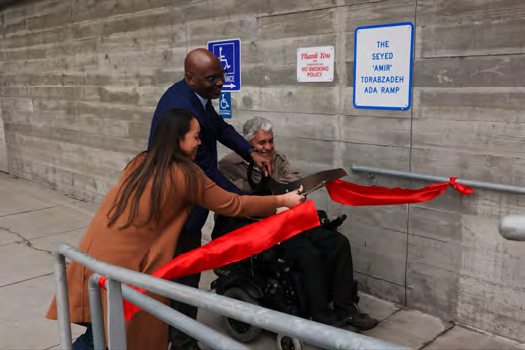 The District 7 Office in downtown Los Angeles earlier this year held a ribbon cutting for the fully completed Americans with Disabilities Act (ADA)-accessible ramp.
Headquarters photo
By Monica Ruvalcaba
District 7 public information officer
Early this year, Caltrans District 7 celebrated a ribbon cutting for the fully completed Americans with Disabilities Act (ADA)-accessible ramp at the District Office in downtown Los Angeles. Hosted in Edythe and Eli Broad Plaza, the event brought together leadership, staff, and members of the District 7 Disability Advisory Committee (DAC), whose ongoing advocacy helped carry the project forward over the course of several years.
Deputy District Director for Planning, Goods Movement and Local Assistance Marlon Regisford spoke on the significance of the moment, noting that accessibility must be embedded in how Caltrans operates.
“This new ADA ramp represents access, dignity, and inclusion for all,” Regisford said. “This is how equity shows up on the ground, not just in policy, but in real, tangible infrastructure.”
The journey to completion began in 2017, when an independent ADA compliance survey identified that the existing wheelchair ramp at the District 7 office did not meet ADA standards. What followed was a multi-year effort involving design, engineering, permitting, and coordination across multiple partners, including Headquarters, the Department of General Services, and the State Fire Marshal. Along the way, teams worked through structural challenges, safety requirements, and construction delays.
District 7 DAC remained a steady and persistent voice, helping steward accessibility considerations through each phase of development. As an employee-led advisory committee, DAC works to elevate disability awareness and remove barriers within the department. Its efforts reflect Caltrans’ core values, particularly equity, collaboration and a people-first approach, reinforcing accessibility as a fundamental responsibility rather than an afterthought.
“At times, it felt like every step forward came with another hurdle, but this project stands as a powerful example of what can be achieved through collaboration, resistance and shared commitment,” transportation engineer and District 7 DAC Chair Seyed Torabzadeh said.
Fully operational since August 2024, the ADA-compliant ramp provides safe and reliable access for employees and visitors, aligning with federal and state standards while reinforcing Caltrans’ commitment to equity in the workplace. The new ADA ramp now stands as a lasting symbol of that commitment, one that will serve employees and visitors for years to come, and a reminder that meaningful progress often begins with advocacy and the determination to see it through.
Bridging the past and future: Whiskey Creek Bridge project
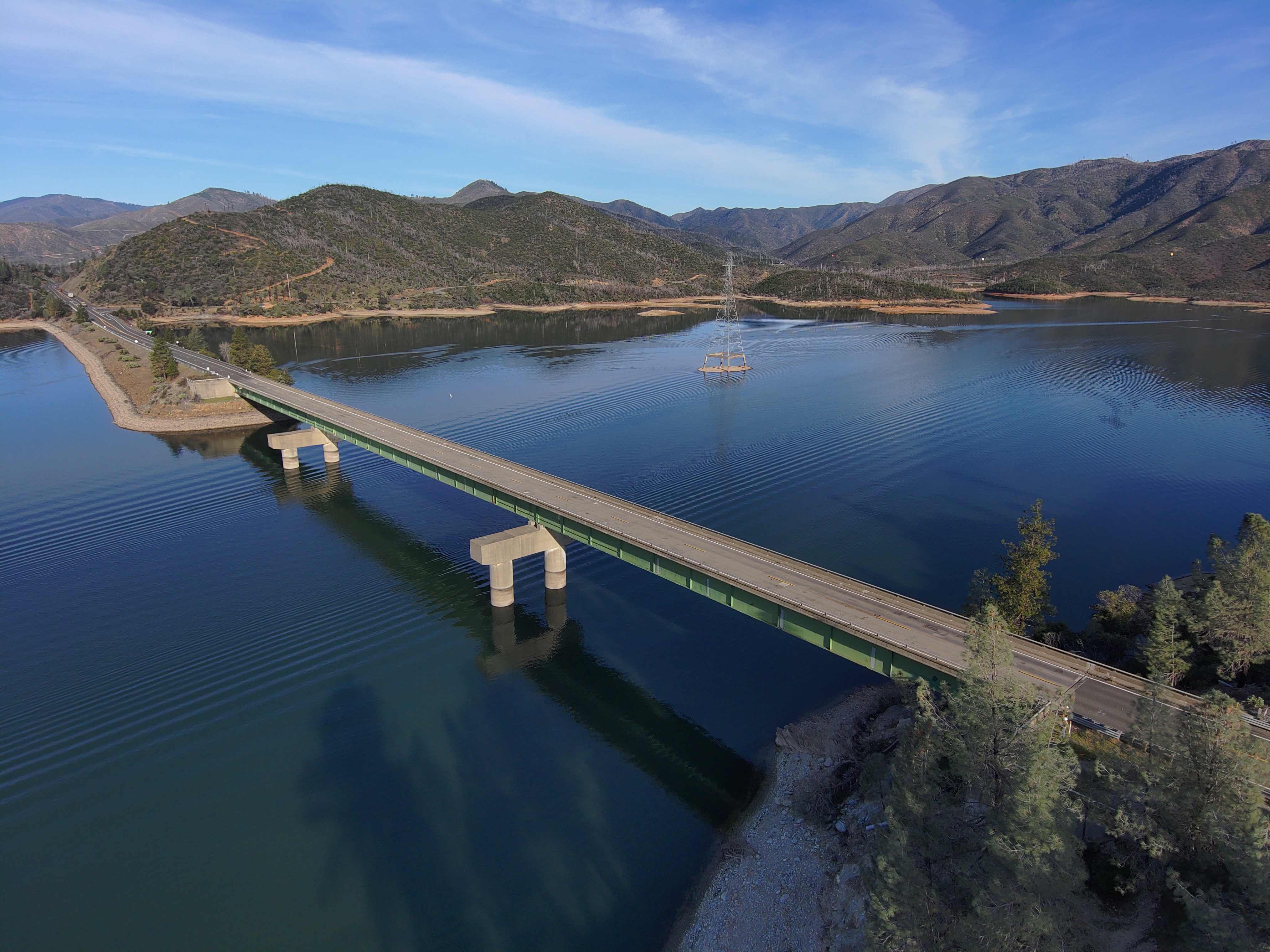 The Whiskey Creek Bridge along State Route 299 is being replaced and will receive several modern upgrades.
District 2 photo
By Haleigh Pike
District 2 public information officer
For more than six decades, the Whiskey Creek Bridge corridor has played a vital role in connecting communities along State Route 299 in Shasta County.
The story of this stretch of highway dates back to 1960, when the relocation of five miles of State Route 299 became necessary due to the U.S. Bureau of Reclamation’s planned construction of Whiskeytown Dam. The project stretched from approximately 2.5 miles east of Tower House Road to 2.5 miles east of Whiskeytown Lake, about 11 miles west of Redding, and created a new two-lane expressway with a 40-foot-wide roadbed.
At the time, construction of Whiskeytown Dam on Clear Creek would ultimately inundate the original townsite of Whiskeytown as well as the existing highway. Once completed, the reservoir would store 250,000 acre-feet of water as part of the Central Valley Project, serving as a key link in transferring water from the Trinity River at Lewiston to the Sacramento River at Keswick.
As documented in the March–April 1962 edition of California Highways and Public Works, the relocation project reshaped the region and established the corridor still in use today.
Now, more than 60 years later, that legacy continues with the Whiskey Creek Bridge Replacement Project, which will bring critical upgrades to meet modern transportation needs.
The project will replace the existing bridge with a new, wider structure designed to improve safety and accessibility for all users. Planned improvements include:
- A wider bridge deck to better accommodate vehicle traffic
- Wider shoulders for increased driver safety and emergency access
- A separate bike and pedestrian path, enhancing connectivity and supporting active transportation
- Upgraded guardrail systems and safety features to meet current design standards
In addition to improving the travel experience, the project is designed with long-term durability in mind, ensuring the bridge can continue serving the region for decades to come.
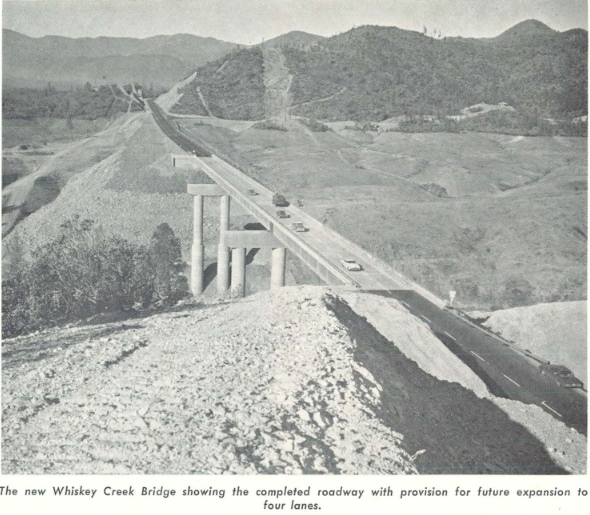 The old bridge was constructed more than 65 years ago.
District 2 photo
“This project is about delivering a safer, stronger bridge that will serve the community well into the future, while minimizing impacts to the traveling public during construction,” said Construction Engineer Tim Bade. “We’re proud to be part of a project that not only improves the corridor but also preserves an important piece of its history.”
One of the most unique aspects of the project is how it ties directly back to the original structure. The abutments and piers, originally constructed with future expansion in mind, will be incorporated into the new bridge design, demonstrating the remarkable foresight of the engineers who built the corridor in the 1960s.
“What makes this project especially meaningful is the connection between past and present,” said Project Manager Alyson Sinclair. “The original bridge was built with future expansion in mind, and today we’re able to carry that vision forward while improving safety and accessibility for the traveling public.”
By blending the legacy of the original structure with modern design, this project honors the past while preparing the corridor for the future.
More than 60 years after it was first built with expansion in mind, the Whiskey Creek Bridge is entering its next chapter.
District 5 reclaims the hardware in annual golf tourney
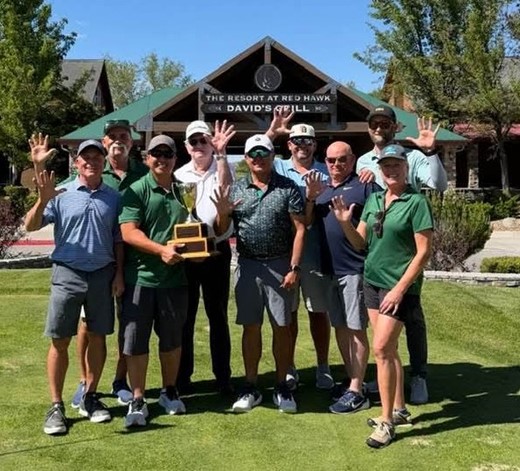 Golfers representing District 5 captured first place at the 62nd Annual Caltrans Invitational Golf Tournament Nevada.
Photo courtesy of Tim Craggs
By Tim Craggs
Retired Division Chief of Design
The 62nd Annual Caltrans Invitational Golf Tournament was held in Sparks, Nevada, on May 14 and 15. Six teams from Caltrans Golf Clubs from around the state participated in this event, competing for prizes, pride and bragging rights.
District 5 Golf Club earned top team honors, rocketing past second place Caltrans Capitol Golf Club (Headquarters) on the second day of the two-day event. District 6, with help from participants from District 5 and District 10, finished third. District 7 finished fourth; followed by Highway Operations and Bridge.
In addition to the team event, all players compete on an individual basis. Players are grouped into “flights” based on their handicaps, so each competes against players of similar skill levels. Victor Delacruz of District 5; Jeren Seibel, District 5; Sean Rivera, Operations; Patrick Stimson, District 5; and Diane Dostalek, District 5 (see a pattern here?) won their respective flights. Jeren Seibel and Patrick Stimson took the honors for Low Gross (without handicap factored in).
Red Hawk Golf and Resort provided two beautiful, and distinctly different tracks for the two-day event. The Lakes Course is relatively flat, and as advertised, riddled with numerous lakes, while the Hills course has significant elevation changes and narrow fairways. Both courses sported huge undulating greens, providing significant challenges for the field, but both courses were praised by those who participated.
An awards banquet was held after golf on the second day. Individual and team awards were distributed, along with a raffle for prizes which were donated by the various participating Clubs. All in all, this tournament was a great success, providing the opportunity for a large cross section of Caltrans employees, retirees and friends to build new relationships, revisit longtime friendships and working partnerships, have some fun, and of course engage in some much-needed stress relief.
The 63rd Annual Caltrans Invitational Golf Tournament is targeted for mid-May 2027. District 5 will be the host Club and will be investigating possible locations up and down the Central Coast. Participation in the Caltrans Invitational is open to all current and former Caltrans employees and members of the various Caltrans golf clubs around the state.
The northern California version of this tournament, the Caltrans Fall Classic, is a one-day event held each year in October. Contact Larry Orcutt for more information at larryorcutt@gmail.com.
Please watch for future announcements regarding upcoming tournaments or contact your local golf club representative for more information. We are always looking for more participation in these events. In the recent past, Districts 2, 3, 4, 9, and 10 have sent teams and it would be great to see them again! If you are in search of a Caltrans Golf Club representative in your area, contact me, Tim Craggs, at craggs57@hotmail.com, and I can put you in touch with somebody in your vicinity. You can also check out the Headquarters’ Golf Club website at www.ctcapitolgolfclub.com for more information.
A very special creature indeed: the Coastal Tailed Frog
 The Coastal Tailed Frog (Ascaphus truei) is one of many species whose needs and habitats are considered as Caltrans goes about its maintenance of state roadways.
District 1 photo
By Paul Amato
District 1 biologist
Okay, confession time: one of the absolute BEST parts of my job? Culvert replacements.
Yep, you heard that right. It’s basically like opening a box of chocolates – except instead of not knowing what you’re going to get, you might find a frog. Or … just a sad puddle. Either way, it’s an adventure!
But here’s the deal. I don’t check culverts when they’re doing their thing. I show up when they’re getting swapped out. Most of the time, they’re just handling boring roadside run-off or seep water, but every now and then, you hit the jackpot!
Some culverts are like secret VIP tunnels for streams, connecting tiny creeks to big waterways. And guess what? They double as critter highways for everything from fish to frogs to who-knows-what.
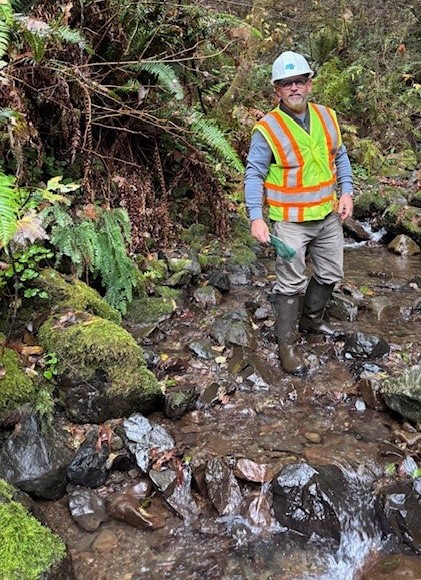 District 1 biologist Paul Amato brings empathy for wildlife to his duties, and passion for a particular amphibian.
District 1 photo
Right now, there’s a whole squad of culverts in District 1 getting a glow-up. My mission? Figure out what’s flowing through, stormwater or an actual stream. If it’s storm runoff, yawn … the habitat’s usually a hot mess. But if it’s a stream with a steep slope and rocky bottom? Cue the drumroll, that’s prime real estate for my favorite amphibian.
This little frog is tiny, elusive, loves fancy digs, and get this, it doesn’t even make a peep!
Meet the Coastal Tailed Frog (Ascaphus truei) known for its unique "tail," which is an extension of the male's cloaca used for internal fertilization. This internal fertilization prevents sperm from being washed away in fast-moving water. That’s mind-blowing enough but hardly its only exciting modifications.
When it comes to romance, the Coastal Tailed Frog keeps things cool, literally. Breeding happens in late summer to early fall, right in those icy streams. Females tuck their eggs under rocks, and the eggs have a sticky coating to keep them from washing away. Tadpoles hatch equipped with suction cup mouths, ready to ride out the rapids. Metamorphosis is no quick fling either. It takes one to four years before they grow into adults. Talk about patience!
These frogs have several adaptations for their fast-flowing, cold stream habitats, including hardened fingertips for clinging to rocks on the bottom of streams. The pupil is vertical like a cat for improved low-light vision. Adults lack vocalization because they don't have external eardrums (croak much?). They are also one of the longest living frog species, potentially reaching 20 years, and are considered an indicator species for stream health.
We are incredibly lucky to have such unique wonders in our own backyard and learn about how our work matters to so many species in the state.
When the storm hits, “These guys show up”
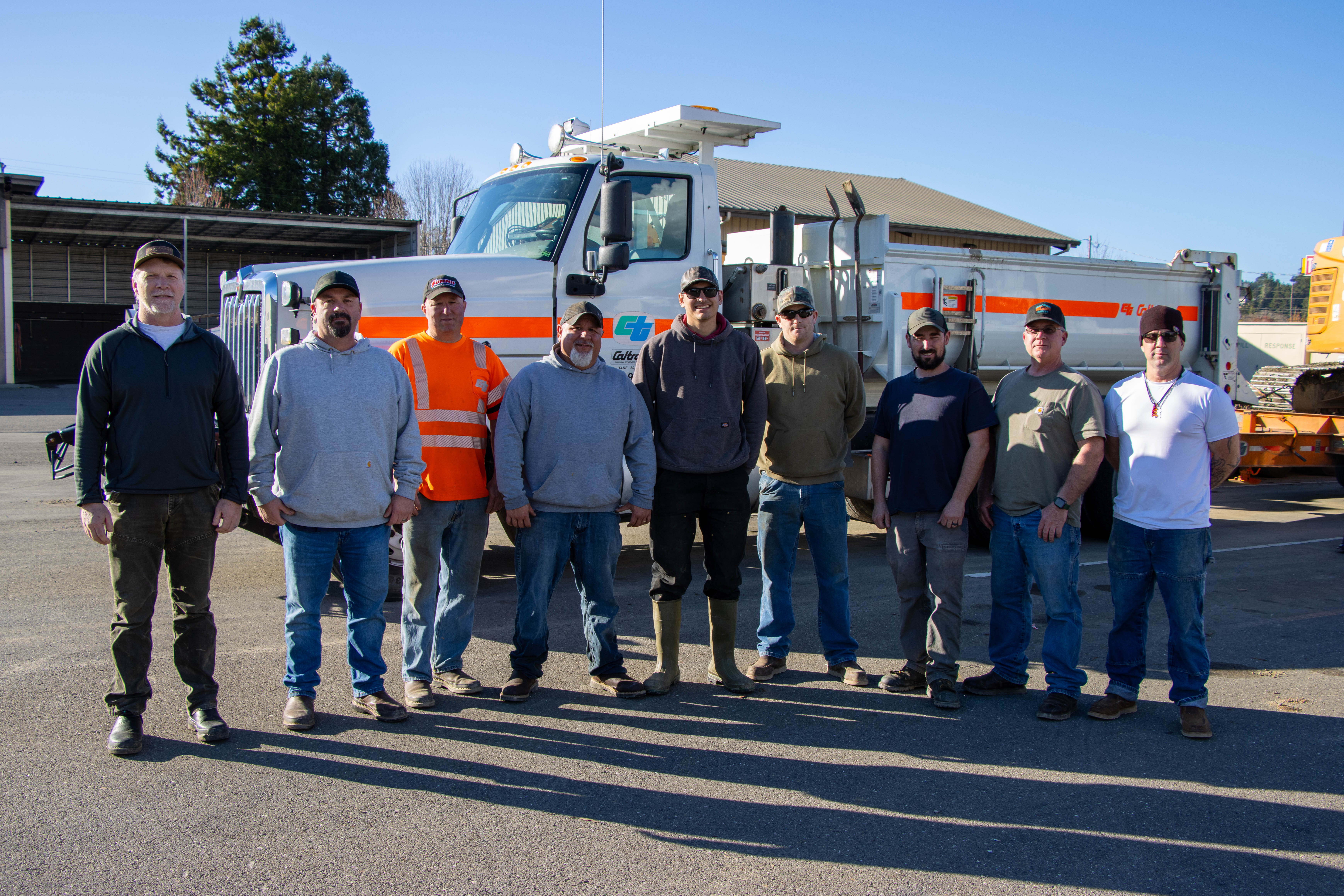 The Fortuna Maintenance Crew did the department proud with its response to rising waters late last year in the North State.
District 1 photo
By Meriah Miracle
District 1 public information officer
Simultaneous road closures caused by flooding created major challenges for Humboldt County travelers just before Christmas 2025. But for the Fortuna Maintenance Crew, it was business as usual.
Late in the morning of Sunday, Dec. 21, Fortuna Maintenance Supervisor Jason Sells began receiving calls about rising waters along U.S. Highway 101 near College of the Redwoods south of Eureka. By then, flooding had already shut down Route 211, the Avenue of the Giants, and the Hookton Road offramp, and conditions were getting worse. High water levels forced Northbound 101 traffic near Loleta to drive on the shoulder.
Maintenance crews quickly responded, providing traffic control and assisting frustrated travelers during one of the busiest weekends before the holidays. Sells acknowledged the inconvenience, saying, “We know it’s frustrating for people, but our priority is always safety.”
The team monitored conditions closely and ultimately closed the road as flooding intensified. Sells praised their dedication. “When emergencies happen, these guys show up. They come out after work, at night, on weekends. They’ll leave their families to help other families.”
By that evening, floodwater had receded and all three roadways reopened. For the Fortuna Maintenance Crew, the commitment to keeping travelers safe never ebbs, regardless of the challenges that come their way.
Employee spotlight: Toni Rose, District 2 revegetation specialist
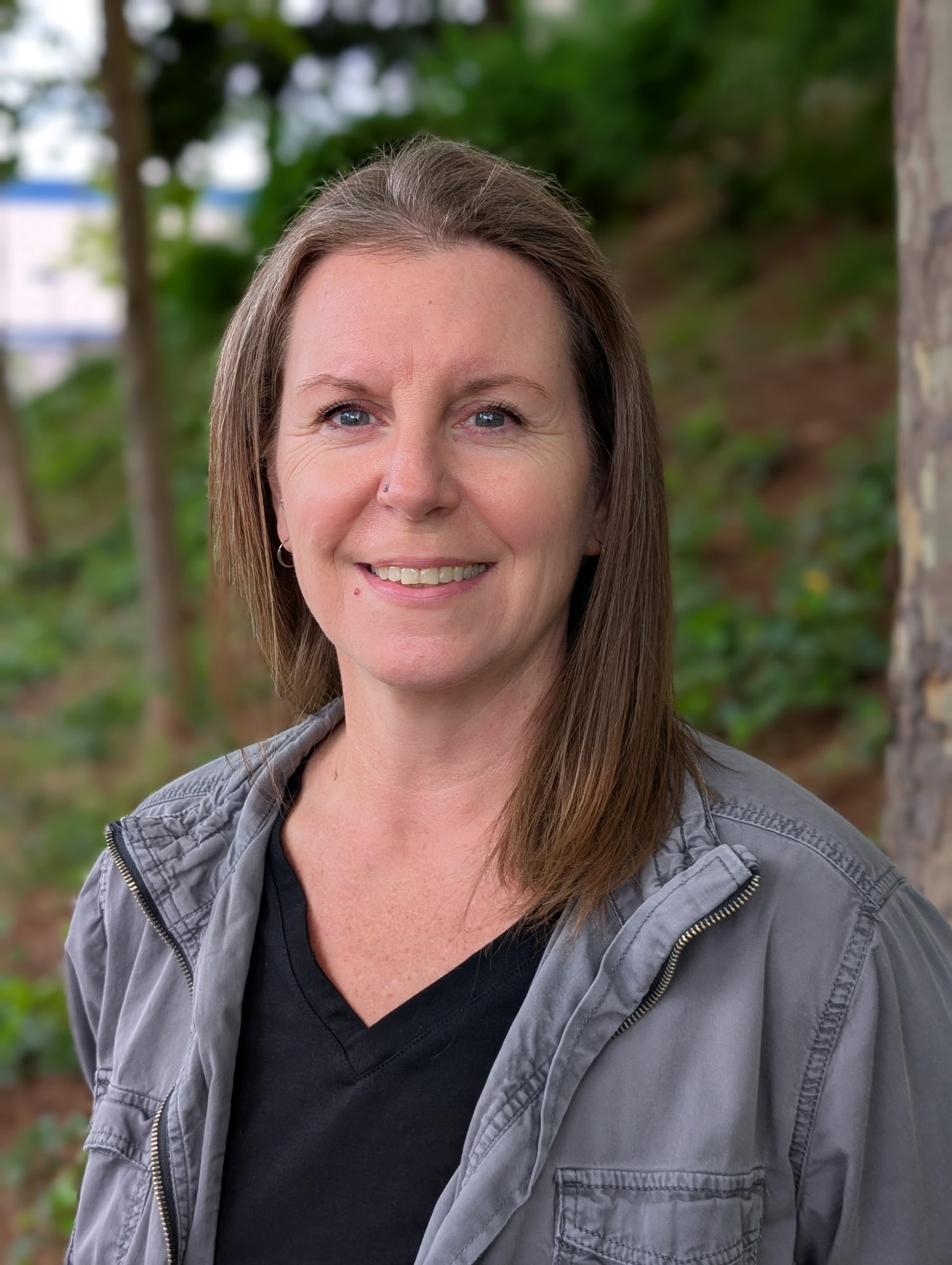 Toni Rose is a revegetation specialist in District 2.
District 2 photo
By Shanna Le Baron
District 2 Public Affairs analyst
As a revegetation specialist, Toni Rose’s duties include permittee responsible mitigation for biological impacts on projects. She also assists biologists with project impact assessments and botanical surveys. It is Toni’s responsibility to set up contract work with outside agencies such as Resource Conservation Districts to perform onsite revegetation.
Toni was hired as a revegetation specialist four years ago and that is the only official position she has held; however, Toni is fortunate enough to currently be shadowing some coordinators so that she can learn new elements of the environmental workload process.
Toni was raised in Shasta County. She moved to Colorado after high school but only lived there for about two years as her heart belongs to Shasta County. Toni was very active in community theater until she decided to go back to school for Clinical Lab Science.
It was during an Immunology class that she realized she didn’t want to work in the medical field any longer and changed her major to plant biology (she had worked in the clinical lab for 25 years). When Toni changed her degree, she told herself that she was going to get as far away from the medical field as she could. The funny part is that the furthest she could get was literally across the street!
Toni currently works at the Davis Professional Building but worked at Shasta Regional Medical Center for 20 years. Toni has been happily married for 22 years and has one amazing daughter.
How do you spend your time when you aren’t working?
“I enjoy reading (I’m loving Freida McFadden books right now), collecting houseplants and cleaning my house. There is just something satisfying about cranking up the music when nobody is home and cleaning the house from top to bottom. I sound like a boring nerd. I swear I’m fun! My husband and I love camping. During the spring and summer, we try to get at least two trips in each month. We love kayaking and hiking and I’ve recently taken up fishing. I’m proud to say I finally caught my first fish!”
What’s the greatest bit of advice you’ve ever been given?
“Ask questions. You are not the only person in the room that doesn’t know the answer to something and even if you are, it’s not going to do you any good to be in the dark while everyone else is in the know.”
Who is your favorite cartoon character?
“No favorites, but I do enjoy the sharp wit and dry sense of humor that Bugs Bunny provides.”
What is your favorite travel destination?
“Anywhere with my husband. Too mushy? Oh well, it’s true.”
When you were a child, what did you want to be when you grew up?
“An actress.”
Who is your favorite singer or band?
“No favorites. I like a lot of different music. Classical. Classic rock. Country. Southern rock. Gospel. Jazz. Most anything from Aerosmith to Rossini.”
What is your favorite thing about working at Caltrans District 2?
“We have an amazing team. No pretentious attitudes. Everyone works well together and provides a bit of their expertise with each project. We all learn from each other.”
Who’s New
Shanna Everts, division chief of Business Operations
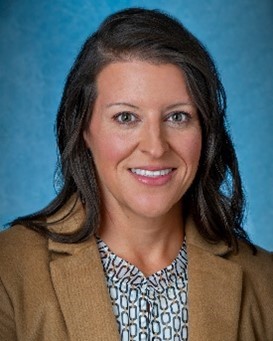
Shanna Everts has been appointed as division chief of Business Operations.
Shanna is an accomplished public sector servant with extensive experience leading statewide programs that advance workforce safety well being, organizational effectiveness, and operational excellence within Caltrans. With nearly two decades of state of California service, including over 14 years at Caltrans, Shanna has developed a distinguished record of driving strategic initiatives, strengthening enterprise programs, and fostering a culture centered on safety, accountability and employee excellence.
As deputy division chief in the Division of Safety and Management Services, Shanna oversaw key statewide programs including Employee Health and Safety, Workplace Violence Prevention, Hybrid Telework, and Workers’ Compensation/Return to Work and Reasonable Accommodation/FMLA. She led complex policy development and high risk program areas while advancing operational improvements that strengthened a safe, adaptable and engaged workforce.
Shanna also brings a deep understanding of Caltrans’ mission and the systems that drive statewide operations, supported by experience in Workforce Planning, Ethics and Employee Recognition, Enterprise Risk Management, Strategic Planning, and Administration. Her accomplishments include launching the Caltrans Telework Program, Mentorship Program, and Leadership Series; modernizing the Employee Safety Program; establishing Safety Bootcamp; and providing steady strategic leadership throughout the COVID 19 pandemic.
Shanna holds a bachelor of arts in government from California State University, Sacramento. Outside of her professional responsibilities, Shanna is dedicated to her family that includes two boys and a freeloading German Shepherd. Shanna also enjoys staying active and has completed three marathons.
Cecilia Gutierrez, chief of staff
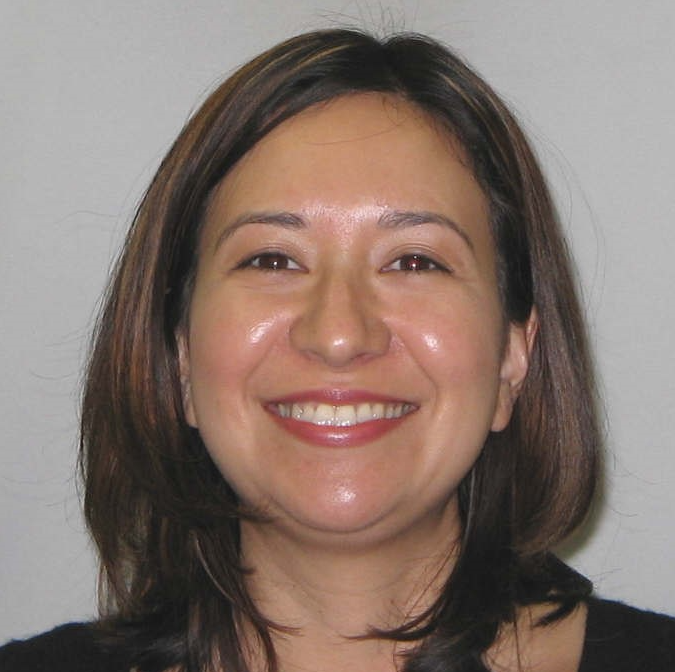
Cecilia Gutierrez is Caltrans’ new chief of staff.
Cecilia brings more than 18 years of combined experience in transportation, infrastructure planning and enterprise support services.
Her Caltrans career spans several divisions and program areas. She began in Caltrans Administration at Headquarters, where she led statewide strategic planning and budget analysis. She later supported the Division of Project Management, chairing the Workplan Standards Guide Committee and advancing implementation of the PRSM workload scheduling software.
In the Division of Business Operations, she managed the SHOPP Office Building Program and led the delivery of the Caltrans facility infrastructure plan to the Department of Finance. Her work in the Division of Safety and Management Services centered on statewide policy development, performance assessment, and organizational improvement.
She served as chief executive liaison in District 4, Bay Area and upon her latest promotion was serving as acting chief of staff for the Caltrans Director’s Office, where she provided executive leadership, strategic coordination and high level guidance on statewide priorities.
Prior to joining Caltrans, Cecilia spent more than seven years in the private sector as a sales engineer with General Electric (GE), specializing in electrical distribution systems across the San Diego and Sacramento regions. She is trained in Six Sigma methodologies and is a graduate of GE’s Leadership Training Program.
Cecilia holds a bachelor of science in management science with a minor in engineering science from the University of California, San Diego.
Known for her strong dedication to public service, Cecilia is committed to fostering collaboration, strengthening organizational effectiveness, and supporting the people who deliver California’s transportation mission. She looks forward to continuing to advance the department’s mission, vision and goals with thoughtful leadership, accountability and service to the public.
Outside of work, Cecilia enjoys spending time with her family, exploring the outdoors and walking her pug.
Marissa Molina, state legislation manager, Headquarters Legislative Affairs
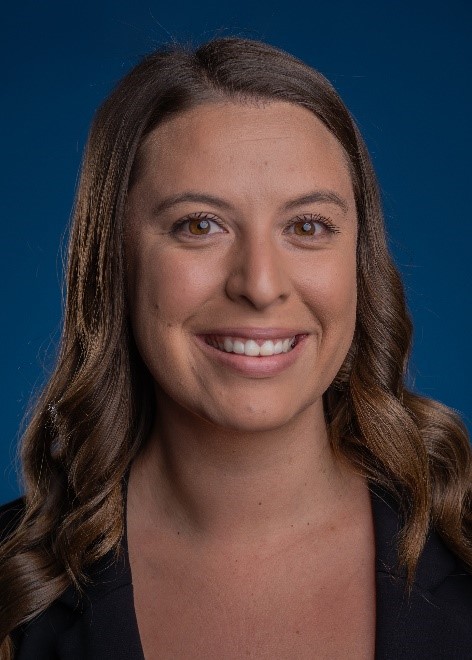
Marissa Molina is the new state legislation manager in Caltrans Headquarters Legislative Affairs.
Marissa first joined Caltrans Legislative Affairs in September 2024, acting as the legislative liaison to Maintenance, Traffic Operations, Safety and Equipment (MOSE), assisting to lead the department’s legislative engagement on a wide range of topics including outdoor advertising, homelessness, suicide deterrence and automated speed enforcement.
Prior to joining Caltrans, Marissa served as a legislative analyst at the California Highway Patrol (CHP), where she managed a portfolio of both public safety and transportation-related legislation. In that role, she worked closely with departmental leadership and subject matter experts to analyze proposed legislation, develop policy recommendations, and represent departmental interests throughout the legislative process.
Obituaries
James (Jim) Emmet Boyd, retired District 1 engineer
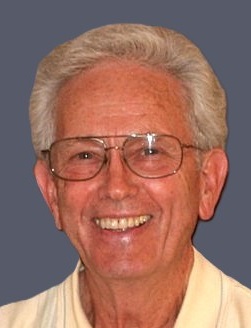
Note: The following obituary appeared in the Lost Coast Outpost.
James (Jim) Emmet Boyd passed away peacefully and surrounded by family on Thursday, April 9 in Emmett, Idaho.
Jim was born on March 25, 1943, in Hope, Arkansas. Jim’s family moved to Eureka in 1955. He was active in band in junior and senior high school, then in his senior year, he switched from band to choir, where he was the president of choir. He also ran track in high school, then went on to race in various local long-distance races throughout his life.
Jim graduated from Eureka High School in 1961. He received an Associate of Arts from College of the Redwoods and briefly attended Cal Poly University for engineering.
Jim married Linda Claire (Ripley) Durant on June 10, 1961, and they shared 49 years of marriage until her passing. Jim subsequently married Ivey Lee Bryant on May 4, 2012, and they shared nine years together until her passing.
Jim worked at Simpson Plywood Mill, Humboldt Fire District #1, Redwood Acres Fairgrounds and Caltrans District 1 and retired from Caltrans in 1998.
Jim was a loving and devoted husband, father, papa and friend. His proudest moments were meeting his wife Linda, singing with his brother Dean at the Miss Humboldt Pageant and rebuilding his 1937 Chevy. Jim’s achievements included running the Avenue of the Giants Marathon in 1981, with a finish time of 3 hours, 18 minutes, 11 seconds, earning a 25-year award from Caltrans, being a 54-year member of Elks Lodge #652 and a member of the Methodist Church, where he sang tenor in the choir.
Jim was preceded in death by his parents, Volmer Boyd and Geneva Boyd; his wife Linda Boyd; his wife Ivey Bryant-Boyd; his brothers Dean Boyd, Wayne Boyd and Perry Boyd; his granddaughter Hannah Boyd; and his great-grandson Maximus Buck. His memories will be carried by his children Sherri Olson and James K. Boyd; grandchildren Amanda Christensen, Amelia Buck, Erica Gillam and Jocelyn Boyd; and great-grandchildren Joshua Lamberson-Adams, Devany Christensen, Alexis Buck, Adelynn Christensen, Joanna Buck and Sterling Gillam.
Russell Vernon Lee Jr., retired engineer

Note: The following obituary appeared in the Lost Coast Outpost.
Russell Vernon Lee Jr. passed away peacefully on March 18 at the age of 83, in Eureka.
Russ was born April 7, 1942, in Berkeley to Russell Sr. and Carolyn Lee. He grew up in the Napa Valley and Bay Area of Northern California and had one younger sister, Karen. Russ went to several different schools, which often made him the new kid in school. The last school he attended was Calistoga High School in Calistoga.
Leaving home and school at the age of 15 on a crazy adventure with a friend, Russ jumped trains across the United States, working on a horse ranch in Colorado, operating a dump truck in Texas (until they found out he was underage), and ultimately ending up in Florida.
After his adventure, at age 17, he enlisted in the U.S. Army and became a paratrooper for the 82nd Airborne Division, Fort Bragg, North Carolina. Russ spent a lot of his tour of duty in France.
On March 8, 1962, while getting ready to board a C-130 for a training exercise out of Evreux Air Base, he gave up his seat to a fellow soldier, 20-year old James Waples. The plane crashed in the Ecouves forest, and all 15 occupants were killed.
After his discharge in New York, he drove back home across the U.S. to California. During this trip, Russ planned several stops to collect debts. You see, while in the Army, he became somewhat of a “loan shark” helping fellow soldiers in need. Of course, payback was part of the deal, and only one guy got away without paying.
As an adult, Russ returned to school and got his GED, followed by an AA from College of the Redwoods. He worked for Beneficial Financial and Hyster Company before starting his career at Caltrans in the early 1980s as a resident engineer in construction. Later, he transferred to Traffic Operations so he could be home more and watch his boys’ baseball and football games.
Russ retired from Caltrans in 2005 after 23 years of state service. He was a member of the Eureka Elks Lodge and Eureka Moose Lodge.
In the early 1960s Russ was married and had a son, Brian. In 1967, he met Joan Cunningham at a mutual friend’s house, and they were married on Jan. 1,1970, in Carson City, Nevada. In 1974, Russ and Joan were blessed with their twin sons, Scott and Ryan.
He loved going hunting and fishing with his boys. Time spent at the Cottrell Ranch was a favorite of his. Russ was a good athlete who fell in love with golf later in life.
Russ was preceded in death by his parents, Russell Lee Sr. and Carolyn McDonald; sister, Karen Chalhoub; and brother-in-law, Pat Gaskill. He is survived by his wife of 56 years, Joan Cunningham Lee; his twin sons, Scott Lee and Ryan Lee, and estranged son, Brian Lee, and his mother Pam; his grandsons, Braedon Lee (Mary) and Jordan Lee; and his great granddaughters, Lyla Lee-Murillo and newborn Marlowe Lee-Murillo born 3/19/26, the day after Russ passed. He is also survived by his sister-in-law, June Gaskill, and brother-in-law, Gary Cunningham (Lynn); nieces, Leanne Johnson (Jeff) and Melissa Bode (Ryan); nephews, Robbie Cunningham (Brandi) and Ron Harvey; and numerous great nieces and nephews.
James Amador Peña, retired transportation engineer
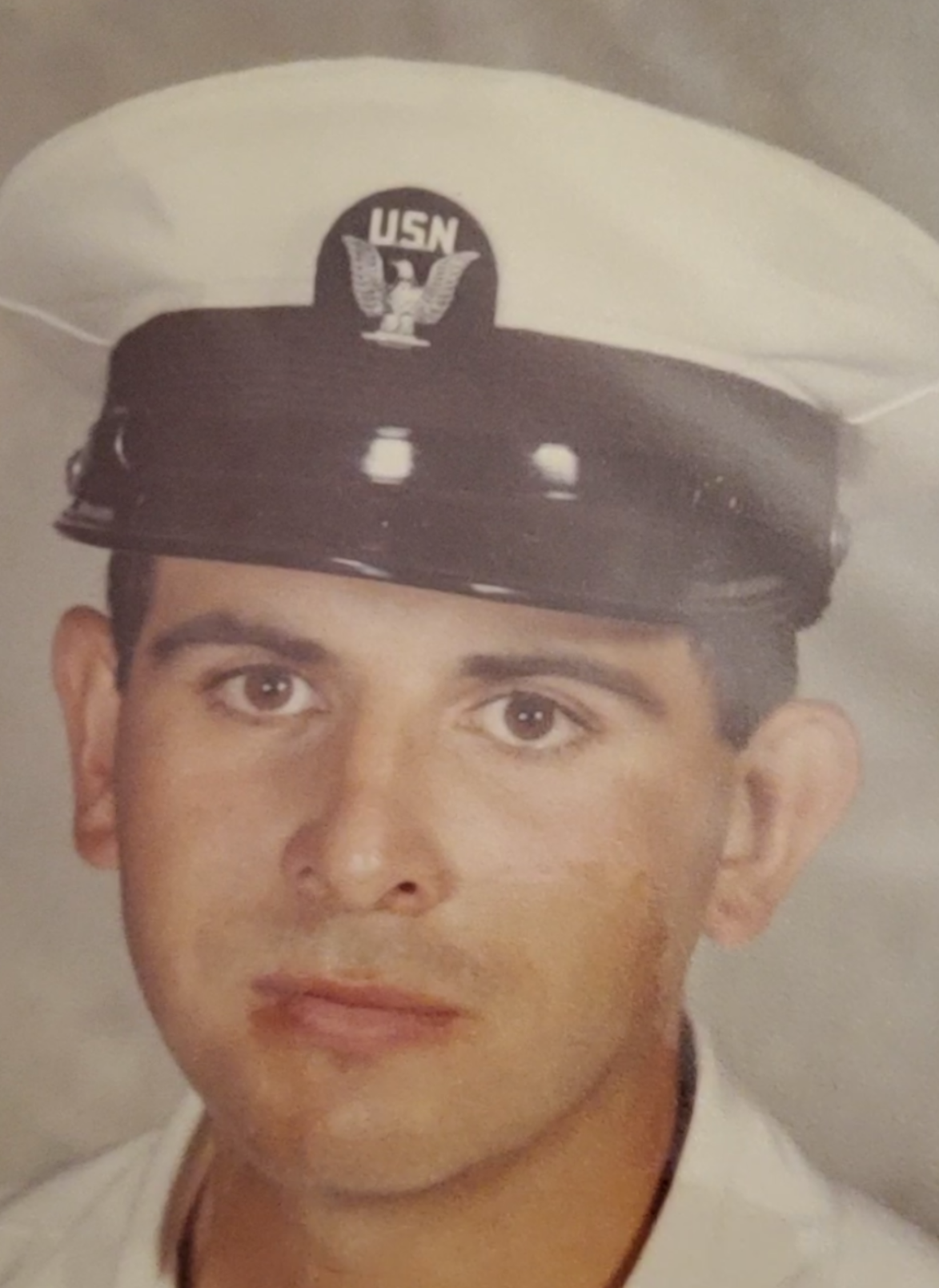
Note: The following obituary appeared in the Lost Coast Outpost.
Retired transportation engineer James Amador Peña, 74, of Eureka passed away peacefully in his sleep on April 7. James was born on July 22, 1951, in Edna, Texas, to Virginia and Amador Peña.
As a young boy, his mother, Virginia Young, and stepfather, Al Young, moved him to Ukiah, where he later graduated from Ukiah High School. After high school, he joined the United States Navy, serving as an ordnance mechanic.
Following his service, he attended Chico State University, where he earned a bachelor of science in business administration. He went on to work as an accountant in Oakland. Eventually, seeking a quieter life outside the city, he began a long career with Caltrans, where he worked his way up from surveyor to transportation engineer.
He is survived by his two children, Spencer Peña and Tyler Peña.
Jim loved adventure and was always traveling to new and exciting places. He enjoyed scuba diving and camping, often camping year-round. He was also very involved in both Cub Scouts and Boy Scouts, dedicating much of his time to supporting those programs.
In his younger years, he enjoyed running and cycling and was an active member of the Six Rivers Running Club. He even completed the Tour of the Unknown Coast. In his later years, he devoted much of his time to volunteering and was an active member of the Knights of Columbus.
z- All-in-one version
- Health and Safety
- News
- Obituaries
- Retirements
- Road Trippin'
- Service Awards
- Who's New
- Workers Memorial gallery